
Buying a Home Through an LLC: Questions to Ask Your Advisors
September 27, 2026
September 27, 2026
For some luxury buyers, the question isn't just, "Which home should I buy?" It's also, "Whose name should be on the deed?"
Athletes, entertainers, executives, business owners and other high-profile buyers sometimes consider purchasing residential real estate through a limited liability company, or LLC, rather than taking title in their individual names. The reasons can vary. Privacy may be part of the conversation, asset or estate planning may be another, or a buyer may already use entities as part of a broader financial structure.
But there is an important point to understand from the beginning: an LLC is not automatically the right choice, and it is not something a Realtor should decide for a client. A real estate professional can help coordinate the transaction and provide property-specific information, but the legal, tax, lending and estate-planning decisions belong with the client's professional advisors.
Here are some of the questions worth discussing before deciding how to take title to a home in South Jersey, Greater Philadelphia or the Jersey Shore.
An LLC is a tool, so before creating one, the buyer and their advisors should be clear about the problem they are trying to solve. Is the primary goal privacy, liability protection, estate planning, asset management, business use, multiple owners or the future transfer of the property?
Different goals can lead to very different ownership strategies. For example, a buyer looking for greater privacy may have different considerations than someone purchasing a property with several family members or business partners. Likewise, someone buying a primary residence in South Jersey may have very different needs from a buyer purchasing a Jersey Shore second home or Philadelphia condominium.
The structure should follow the objective—not the other way around.
This is one of the biggest misconceptions surrounding entity ownership. Putting a property in an LLC does not necessarily make the owner invisible.
Property records are generally public, and the LLC name may appear in those records rather than the individual's name. But that doesn't automatically mean the person behind the LLC can never be identified. Business registrations, financing documents, legal filings and other records may create connections between an entity and its owners. There may also be disclosures required to lenders, title companies, attorneys or government agencies depending on the transaction and current law.
For a high-profile buyer, that distinction matters. Instead of simply asking, "Can I put the property in an LLC?" a better question for the attorney may be, "What level of privacy will this actually provide, and where could my identity still be disclosed?"
A buyer searching both South Jersey and Greater Philadelphia may be crossing state lines before even choosing a property, and that can make entity planning more complicated.
An LLC used to purchase a home in New Jersey may raise different registration, filing or tax considerations than one purchasing property in Pennsylvania. Forming an LLC in another state also doesn't necessarily eliminate obligations in the state where the property is located.
This is where legal and tax advice becomes particularly important. Buyers should understand where the entity should be formed, whether it needs to register in the state where the property is located, what annual filings or fees may apply and whether there are state-specific tax consequences. A South Jersey purchase and a Main Line purchase may be similar from a lifestyle standpoint while creating different legal and tax questions.
That is why the entity structure should ideally be evaluated before closing—not improvised at the settlement table.
This can be a major consideration. A buyer who intends to finance a property should speak with the lender before deciding how title will be held.
Some residential loan programs are designed for individuals rather than business entities, and a lender may require the borrower to take title personally. Other financing arrangements may permit entity ownership but involve different underwriting, documentation, interest-rate or down-payment requirements.
A buyer who initially purchases individually and later wants to transfer the home into an LLC should also speak with both the lender and attorney before making that change. You never want to assume a transfer is harmless when there is a mortgage involved.
For buyers considering a luxury property in South Jersey, Philadelphia or the surrounding suburbs, this conversation should happen early enough that the proposed ownership structure doesn't create a last-minute financing problem.
This is firmly CPA territory. An LLC can be taxed in different ways depending on how it is structured and who owns it, and the treatment of a primary residence may differ from an investment property or second home.
Buyers may want to ask how LLC ownership could affect property and income taxes, capital gains, deductions, estate planning, state filings, future rental income and the eventual sale of the property. A structure that makes sense for one buyer may create unnecessary complexity for another.
The answer could also differ depending on whether the property is a primary residence in South Jersey, a Philadelphia-area residence used during the season or a second home along the Jersey Shore. This is one reason I would never tell a buyer, "You should put this house in an LLC." The better approach is, "Let's make sure your CPA and attorney are part of the conversation before you decide."
This is another question buyers should raise with their attorney and tax advisor. Certain state or local benefits, exemptions or protections may depend on how a property is owned and occupied, and the rules can vary by jurisdiction.
That means someone purchasing a primary residence in New Jersey shouldn't assume the same answer applies to a Pennsylvania property. Even when South Jersey and Greater Philadelphia communities are only a short drive apart, the legal and tax considerations can be very different.
For a buyer who intends to make the property a true primary residence, this is something worth understanding before title is finalized rather than discovering it afterward.
Most buyers understandably focus on getting into the house, but I also like to think about how they'll eventually get out of it.
If an LLC owns the property, what happens when it's time to sell? Will the entity simply sell the real estate? Could the ownership structure complicate the transaction? What tax consequences might apply, and does the buyer intend to keep the LLC after the property is sold?
These are questions for the attorney and CPA, but they can influence the real estate strategy. For professional athletes especially, the exit strategy matters because career changes can create unexpected relocations. A player buying in South Jersey today could be moving to another city several years—or several months—later.
The ownership structure should make sense not only when the home is purchased, but also when circumstances change.
This sounds like a small detail, but it can create problems if it isn't addressed early. Is the LLC already formed before the offer is submitted? If not, should the buyer sign personally and later amend or assign the contract where permitted? Who has authority to sign on behalf of the entity? What documentation will the attorney, title company or lender require?
The answers can vary depending on the transaction, which is why the buyer's Realtor, attorney, lender and title professional should communicate rather than work from different assumptions.
For a high-profile client, getting these details organized early can have another benefit: reducing unnecessary revisions and document circulation while supporting the broader goal of discretion.
This is where privacy and compliance meet.
A buyer may want to keep their identity out of public-facing marketing or casual conversations, but that does not mean the transaction can—or should—be anonymous to everyone involved. Attorneys, lenders, title companies, banks and other professionals may need identifying information to perform their legal and regulatory responsibilities.
Federal requirements surrounding certain entity purchases of residential real estate have also been changing, making current legal guidance especially important. Rather than approaching the transaction with the goal that "Nobody can know who I am," a more practical privacy strategy is often: "Only the people who genuinely need this information should have it."
That allows the appropriate professionals to do their jobs while still treating the client's identity and personal information with discretion.
For buyers with more complex finances, a home shouldn't necessarily be viewed in isolation. How does the property fit into an existing trust or estate plan? Who should ultimately inherit it? What happens if the buyer dies or becomes incapacitated? Will several family members have an interest in the property? Does the buyer already have entities created for other assets?
These are questions an estate-planning attorney can help answer. A buyer may discover that an LLC is appropriate, that a trust is more suitable or that their advisors recommend some other structure.
The Realtor's role isn't to choose among them. It's to make sure the real estate transaction can accommodate the structure the client's advisors ultimately recommend.
It is easy for a complex ownership discussion to overshadow the most basic question: Is this the right home?
An LLC doesn't make an overpriced property a good purchase. It doesn't solve resale concerns, improve the location or create privacy on a property that is exposed to neighbors. It also doesn't turn a poor long-term fit into a good one.
Whether the buyer chooses a private estate in South Jersey, a Main Line residence, a luxury condominium in Philadelphia or a second home along the Jersey Shore, the fundamentals still matter: location, condition, market value, lifestyle, privacy and resale.
The ownership structure should support the purchase—not distract from evaluating it.
Sports + Entertainment and luxury clients often have several professionals involved in major financial decisions, including an attorney, CPA, financial advisor, business manager, estate planner, lender, insurance professional and Realtor.
The strongest transactions happen when everyone understands their role. My job as the real estate professional is to provide the market expertise—helping evaluate properties, negotiate the purchase, identify local considerations and coordinate the transaction—while recognizing when a question belongs with another member of the client's advisory team.
That coordination can be especially valuable for someone considering properties on both sides of the Delaware River. South Jersey and Greater Philadelphia can offer equally compelling luxury housing options, but the legal, tax and ownership considerations may differ simply because the properties are located in different states.
For high-profile buyers, owning a home through an LLC may be one piece of a larger privacy strategy, but it shouldn't be mistaken for complete anonymity.
Real privacy may also involve how the property search is conducted, how showings are scheduled, who receives financial documents, how and when the buyer's identity is communicated and how many people are included in the transaction. Sometimes the ownership entity matters. Sometimes the way everyone surrounding the transaction handles information matters even more.
As a Berkshire Hathaway HomeServices Luxury Collection Specialist and Sports + Entertainment Specialist, my role is to help buyers navigate the real estate side of those decisions throughout South Jersey, Greater Philadelphia and the Jersey Shore, while coordinating with the legal, financial and tax professionals responsible for advising on the ownership structure itself.
When the transaction is complex, knowing what not to answer can be just as important as knowing what to ask.
If you're considering a luxury home in South Jersey, Greater Philadelphia or the Jersey Shore and want a real estate professional who is comfortable working alongside your advisory team, Let's Connect.
Stay up to date on the latest real estate trends.
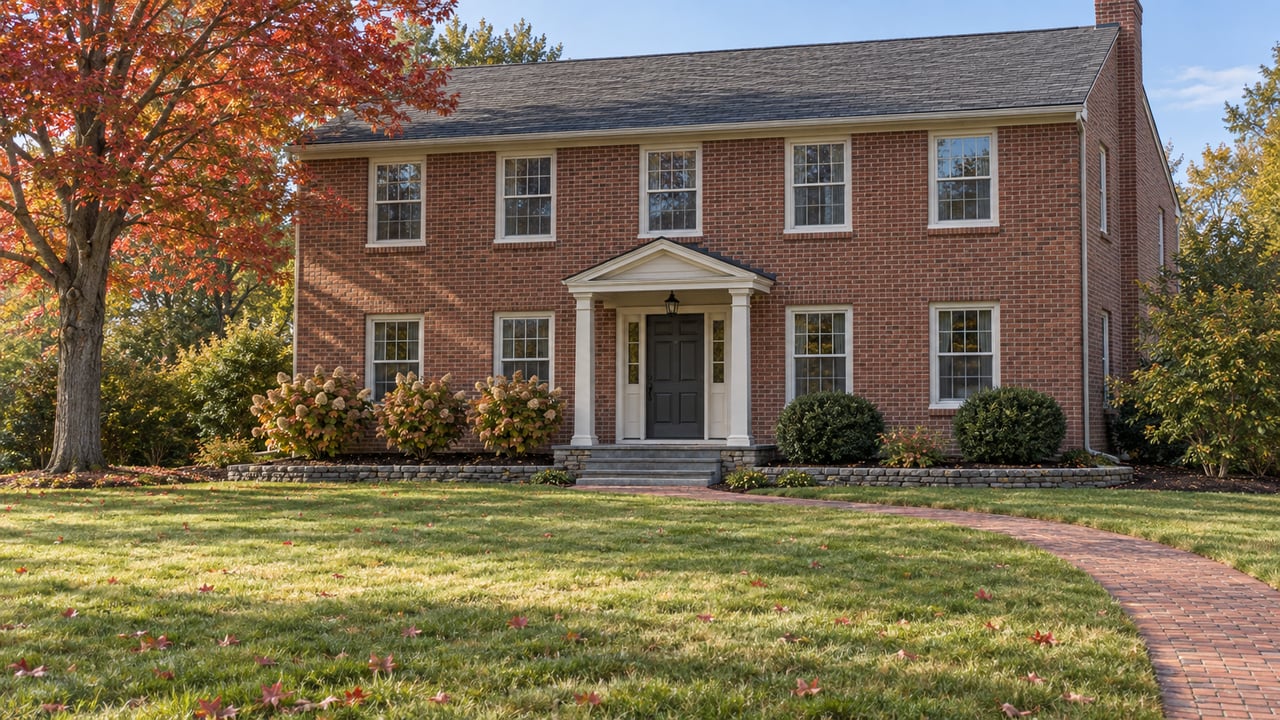


While every buyer defines privacy a little differently, there are several property features that consistently move higher on the wish list when discretion and seclusio… Read more


For a professional athlete joining a new team, the obvious answer might seem to be buying a home, particularly if the contract is significant and the player expects to… Read more

A real estate professional can help coordinate the transaction and provide property-specific information, but the legal, tax, lending and estate-planning decisions bel… Read more
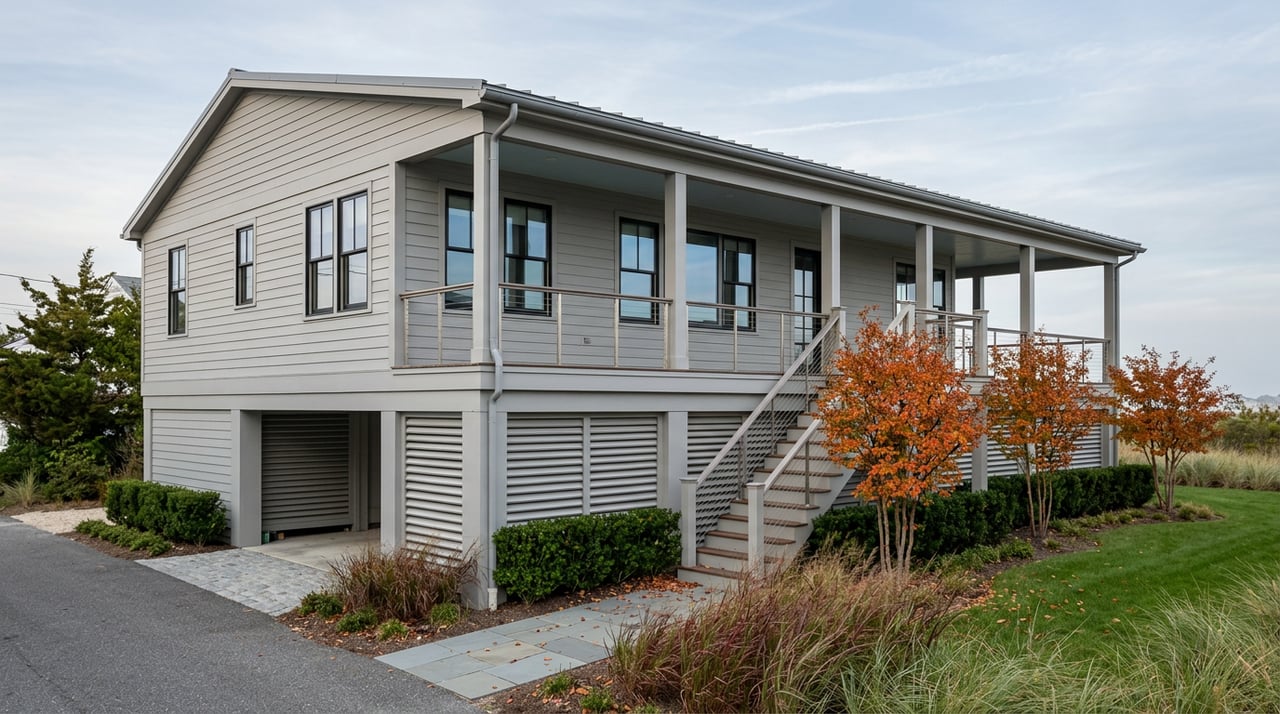

For certain buyers, the most interesting house on the market may be the one that isn't actually on the market.
Amy Reuter brings together luxury-level marketing, strong negotiation, and honest guidance to help clients navigate every move with confidence. From South Jersey primary residences to South Jersey beach homes, Amy creates a thoughtful, highly personalized experience centered around strategy, communication, and results.

AMY REUTER
[email protected]
(856) 229-2473
ADDRESS
198 FRIES MILL RD
TURNERSVILLE, NJ 08012