Temporary Housing vs. Purchasing After Signing With a New Team
October 4, 2026
October 4, 2026
The contract is signed. The announcement has been made. The new uniform is waiting. Now comes a surprisingly complicated question: Where are you going to live?
For a professional athlete joining a new team, the obvious answer might seem to be buying a home, particularly if the contract is significant and the player expects to be in the area for several seasons. But the best real estate decision after signing with a new organization isn't always the most permanent one.
Contract length, family circumstances, familiarity with the area, time of year, lifestyle preferences and even the location of the team's training facilities can all affect whether it makes more sense to purchase immediately or find temporary housing first.
Sometimes buying is absolutely the right move. Other times, the smartest advice a real estate professional can give is: Don't buy anything yet.
A multi-year contract can make purchasing a home seem like an easy decision, but the number of years on paper is only one part of the equation. Professional sports careers can change quickly, and trades, releases, free agency and other career changes can affect how long an athlete ultimately remains in one market.
Then there are the personal considerations. Is the player's family moving immediately? Are children finishing a school year somewhere else? Does a spouse or partner have a career in another city? Does the player already own homes elsewhere? Will this become the family's primary residence, or will it mainly be where the athlete lives during the season?
Before deciding what or where to buy, it helps to understand how the home will actually be used. That conversation can prevent a client from making a major purchase based on circumstances that may look very different several months later.
Temporary housing isn't necessarily a compromise. For someone arriving in an unfamiliar market, it can be a very smart strategy.
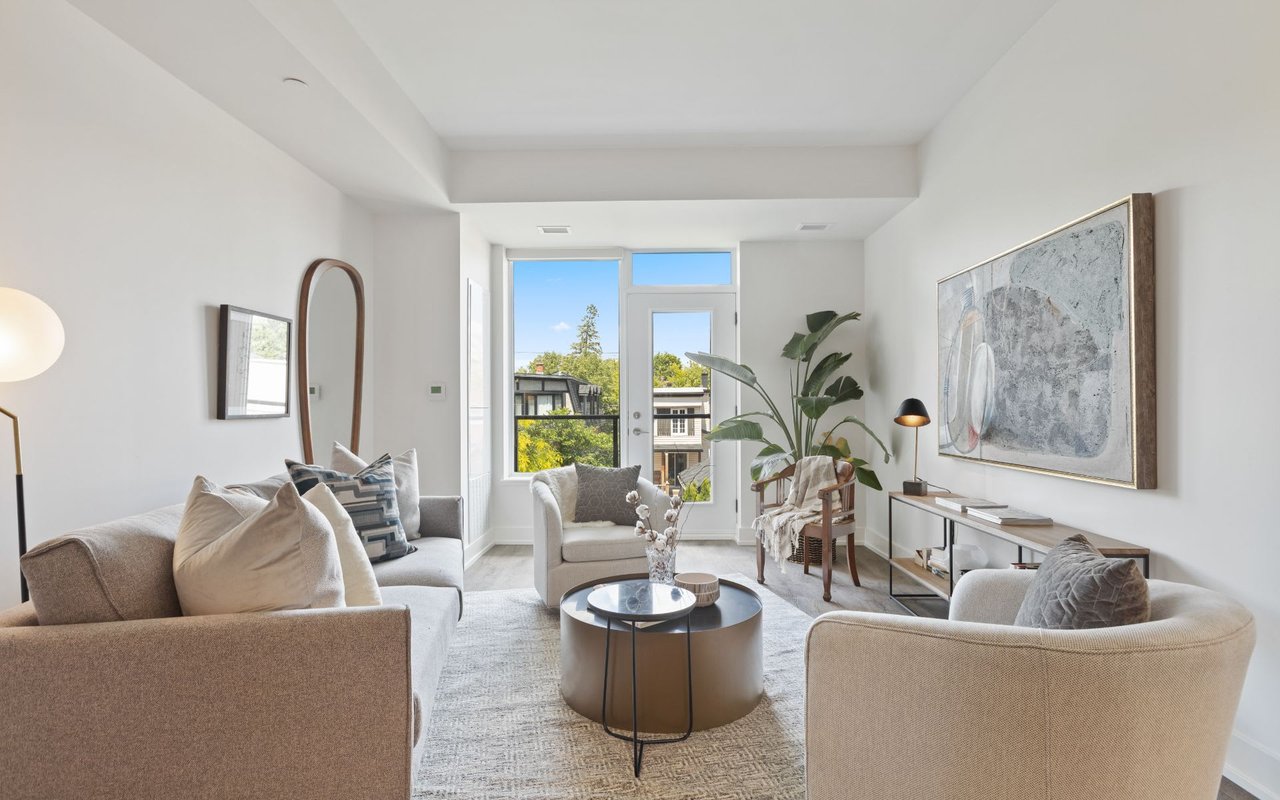
A furnished apartment, luxury rental or short-term home can provide a comfortable place to live while the athlete gets to know both South Jersey and Greater Philadelphia without immediately committing to a major purchase. That time can answer questions that are difficult to solve during a quick house-hunting trip.
How long does it really take to get to the training facility during rush hour? Does the player prefer being close to Philadelphia or having more space and privacy? Would the family be happier in South Jersey, the city or the Pennsylvania suburbs? How important is access to the airport? Does a neighborhood that looked perfect online actually fit the family's everyday lifestyle?
Living in the area for even a short period can completely change someone's perception of where they want to be. Sometimes a temporary address helps a client figure out where home should actually be.
One of the biggest advantages for an athlete joining a Philadelphia team is the variety of lifestyles available within the larger region. The home search doesn't have to stop at the Delaware River.
South Jersey can be an equally attractive option, especially for athletes and families looking for larger homes, more land, newer construction, pools, multiple garages, outdoor space or greater privacy while still maintaining access to Philadelphia. Depending on the client's daily schedule and priorities, communities throughout Gloucester, Camden and Burlington counties may deserve serious consideration.
Other clients may prefer a Philadelphia luxury condominium, the character and estates of the Main Line or another Pennsylvania suburb. There isn't one neighborhood or state that automatically makes sense because someone plays for a Philadelphia team.
That's another reason temporary housing can be valuable. A client can experience the region rather than making a major purchase based solely on recommendations, maps or where teammates happen to live.
The better question isn't, "Where do most players live?" It's, "Where will you and your family be happiest living?"
Fans naturally associate a player with the stadium or arena, but that's not necessarily where an athlete spends most working days. Practices, workouts, meetings, rehabilitation and training can take place elsewhere, making those locations an important part of the housing decision.
Travel schedules add another consideration. Professional athletes may leave home early, return late after games or travel frequently to and from the airport. A commute that seems perfectly reasonable during a Sunday afternoon showing may feel very different when it's being made repeatedly during the season.
This is why I think buyers should evaluate both South Jersey and Pennsylvania options based on their actual weekly routine, not simply distance to the stadium. One player may prioritize the shortest possible commute, while another may gladly drive farther in exchange for acreage, privacy, a pool or additional space for family.
The right location is the one that works when real life begins—not just the one that looks convenient on a map.
There are plenty of situations where purchasing relatively quickly can be the right decision. A player may have signed a longer-term contract, already know the area well and feel confident about establishing roots. The entire family may be relocating immediately, or they may have friends, relatives or teammates who have helped them understand the different communities.
The client may also have very specific housing requirements that are difficult to satisfy in the luxury rental market. Larger homes with acreage, substantial privacy, multiple garages, pools, home gyms or other specialized features aren't always readily available as short-term rentals.
This can be particularly relevant in South Jersey, where a buyer may find the estate-style property and outdoor space they want but have far fewer comparable options available for rent. The same challenge can occur with distinctive Main Line properties or certain luxury homes in Philadelphia.
In those situations, purchasing may provide significantly more options than renting. The key is making the decision because it fits the client's circumstances—not simply because the client has the financial ability to buy.
This is another important consideration when an athlete may have a shorter time horizon. Buying and selling real estate comes with transaction costs, and a home may also require furnishings, maintenance, landscaping, repairs and other ongoing expenses.
If someone purchases a property and needs to sell again relatively quickly, appreciation isn't guaranteed to offset those costs. Luxury properties can add another layer because the more unique and expensive a home is, the smaller the potential future buyer pool may be.
A spectacular private estate in South Jersey could be exactly what a player wants today but potentially require more time to sell if another move happens unexpectedly. The same can be true of a highly customized Main Line residence or luxury Philadelphia property.
That's why I believe the exit strategy should be part of the buying conversation from the beginning, particularly for clients whose careers may require future relocations.
Most buyers don't want to discuss selling a house they haven't even purchased yet. For a professional athlete, however, it can be a smart conversation.
If there's a realistic possibility that career circumstances could create another relocation in several years—or even sooner—resale should be considered when evaluating properties. Is the location desirable to a broad group of buyers? Is the home so customized that resale could be difficult? Is the purchase price supported by comparable sales? How long do similar properties typically take to sell? Could the home potentially work as a rental if necessary?
This doesn't mean avoiding a unique property that a client loves. It simply means understanding what owning that property could look like if circumstances change.
A home can be both a wonderful place to live and a thoughtful real estate decision. Ideally, the purchase accomplishes both.
When people hear "temporary housing," they may picture an extended-stay hotel. That's only one possibility.
Depending on the market and availability, temporary housing could include a furnished luxury apartment, condominium, townhome, single-family residence or privately sourced rental. For high-profile clients, the requirements may also extend well beyond bedrooms, bathrooms and monthly rent.
Privacy, secure parking, flexible lease terms, pet accommodations, proximity to training, furnishings and the ability to move in almost immediately can all become important. A family arriving with children may have completely different requirements from an athlete temporarily living alone until the season ends.
Luxury rental inventory can also be limited, particularly when searching for larger properties in South Jersey or highly specific homes in Greater Philadelphia. That can make local market knowledge, agent relationships and creative sourcing particularly useful.
Sometimes the athlete arrives first and everyone else follows. In that situation, a two-stage housing strategy can work extremely well.
The first stage is finding something comfortable and convenient for the player. Once the immediate pressure is removed, the second stage can involve the family spending time in the area and exploring longer-term options together.
That gives everyone an opportunity to experience South Jersey, Philadelphia and the Pennsylvania suburbs rather than asking the athlete to choose a family home alone between practices, games and road trips.
A spouse or partner may prioritize completely different things than the player initially expected. Children and pets can change the housing wish list. A location that works beautifully for the athlete's commute may not provide the lifestyle the family wants every day.
A house isn't simply where the player sleeps between games. For the family, it's where everyday life happens.
Purchasing isn't the only real estate transaction that may require discretion. A recognizable athlete touring a luxury rental can attract the same attention as someone looking at a multimillion-dollar home.
There may also be circumstances where the client doesn't want a temporary address widely known. That makes it important to think about how properties are identified, how showings are scheduled, who receives the client's personal information and when the client's identity actually needs to be disclosed.
A temporary move may last only a few months, but the client's privacy matters from Day One. The same thoughtful approach used during a luxury purchase should carry over to the rental search.
Temporary and permanent housing searches can both become challenging when a client has very specific requirements. There may simply be nothing publicly available that fits.
That's when professional relationships and privately sourced opportunities can become useful. A Realtor may be able to contact other luxury agents, property owners and professional connections to explore homes that aren't being broadly marketed or properties whose owners might consider the right rental or purchase opportunity.
For a client deciding between South Jersey and Greater Philadelphia, expanding the geographic search and the available inventory can create considerably more options.
The goal isn't to find something off-market simply because it sounds exclusive. It's to make sure the client has explored the best available possibilities before making a decision.
A Realtor shouldn't make financial, tax or legal decisions for an athlete, but a good real estate professional should understand when those advisors need to become part of the conversation.
An athlete may already have an agent, financial advisor, CPA, attorney or business manager helping evaluate the larger implications of a move. Purchasing a home shouldn't happen in isolation from those conversations, particularly when contract length, residency, financing, ownership structure or tax considerations may influence the decision.
The Realtor's role is to provide the real estate information needed to make an informed choice: local market conditions, comparable sales, available inventory, rental alternatives, expected resale considerations and property-specific factors. The client's other advisors can then evaluate the decision from their respective areas of expertise.
For Sports + Entertainment clients especially, good representation often means good coordination.
Renting isn't automatically throwing money away, and buying isn't automatically a good investment. A large contract also doesn't mean a large home purchase needs to happen immediately.
The right decision depends on the person.
For one athlete, a furnished rental for the remainder of the season may provide exactly the flexibility needed. For another, signing a longer-term contract and relocating the entire family may make purchasing immediately the obvious choice. Sometimes the best strategy is simply to rent for 60 or 90 days, experience the area and then purchase with much more confidence.
The objective shouldn't be getting to a closing as quickly as possible. It's helping the client make the decision that makes the most sense for their life.
Joining a new team involves enough change without making housing more complicated than it needs to be. Fortunately, an athlete arriving in our region has an unusually broad range of choices.
South Jersey can offer privacy, larger properties, newer luxury homes and additional space while keeping Philadelphia accessible. Philadelphia provides everything from luxury high-rise living to distinctive city neighborhoods, while the Main Line and other Pennsylvania suburbs offer another entirely different lifestyle.
The right answer may even be temporary housing first and a permanent decision later.
As a Berkshire Hathaway HomeServices Luxury Collection Specialist and Sports + Entertainment Specialist, my role is to help clients understand those options, evaluate both temporary and permanent housing, and coordinate the real estate side of the relocation with the discretion, responsiveness and local knowledge their circumstances require.
Sometimes the right first home in a new city is the one you purchase. Sometimes it's simply the place that gives you enough time to figure out where you really want to call home.
If you are an athlete, agent, advisor, team professional or family member navigating a move into South Jersey, Greater Philadelphia or the Jersey Shore, Let's Connect.
Stay up to date on the latest real estate trends.


While every buyer defines privacy a little differently, there are several property features that consistently move higher on the wish list when discretion and seclusio… Read more
For a professional athlete joining a new team, the obvious answer might seem to be buying a home, particularly if the contract is significant and the player expects to… Read more

A real estate professional can help coordinate the transaction and provide property-specific information, but the legal, tax, lending and estate-planning decisions bel… Read more
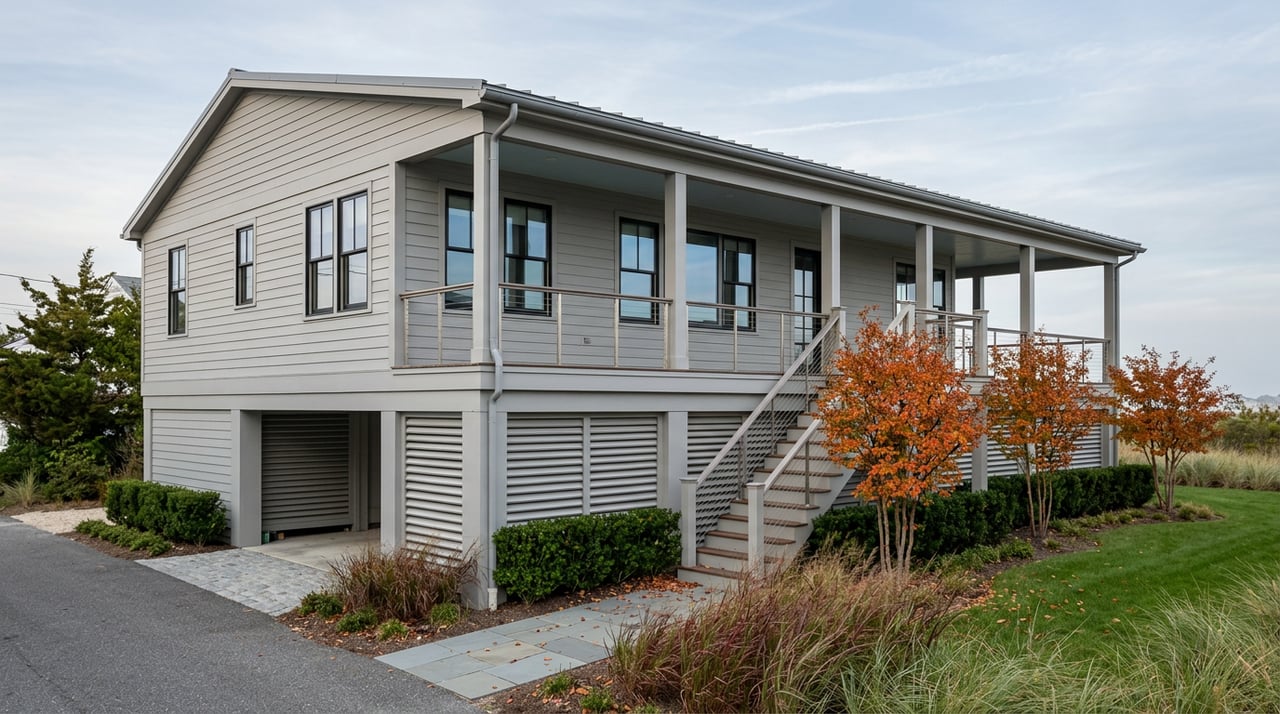

For certain buyers, the most interesting house on the market may be the one that isn't actually on the market.
Amy Reuter brings together luxury-level marketing, strong negotiation, and honest guidance to help clients navigate every move with confidence. From South Jersey primary residences to South Jersey beach homes, Amy creates a thoughtful, highly personalized experience centered around strategy, communication, and results.

AMY REUTER
[email protected]
(856) 229-2473
ADDRESS
198 FRIES MILL RD
TURNERSVILLE, NJ 08012