What Happens When an Athlete Is Traded Midseason?
September 18, 2026
September 18, 2026
The headline hits your phone: a Philadelphia player has been traded. Fans immediately start debating whether the team won the trade, where the new player fits in the lineup and what it means for the rest of the season.
But somewhere behind that headline is a much more ordinary conversation: Where am I going to live?
A midseason trade can require a professional athlete to leave one city and report to another almost immediately. Meanwhile, there may be a spouse, children, pets, cars, furniture, a lease or a home they own waiting back in the city they just left.
The player may be changing teams overnight, but real life doesn't move quite that quickly. That's why the real estate and relocation side of a trade can become one of the biggest logistical challenges happening behind the scenes.
Trades aren't always planned weeks in advance from the player's perspective. An athlete can find out they're moving while at practice, on the road or at home with family—and suddenly the next several months of life look completely different.
There may be a flight to arrange, a new team to meet, a new system to learn and, in some cases, a game to play almost immediately. Housing isn't necessarily the first thing the athlete has time to figure out, even though it's one of the first things they need.
That's why housing after a trade often happens in stages. The player's first stop may simply be a hotel, furnished apartment or other temporary accommodation close to the team's facilities. The immediate goal isn't necessarily to find the perfect house. It's to create enough stability that the athlete can focus on the job while everything else gets figured out.
This is one of the biggest differences between an athlete relocation and a typical move: the athlete often has to go first.
A spouse or partner may remain behind temporarily to handle children, school, pets, packing, an existing home and all the other pieces of life that can't be moved overnight. The family may decide to wait until the end of a school year, or everyone may be trying to relocate as quickly as possible.
That creates two different housing questions at the same time. Where does the player need to live right now, and what makes sense for the family longer term?
Those answers aren't always the same. A furnished condo or short-term rental may work perfectly for several weeks or the remainder of a season. Once the family joins the player, priorities may shift toward more space, privacy, outdoor living, schools, pets and everyday convenience.
Good relocation planning needs to account for both the immediate need and the longer-term move.
For someone arriving to play professionally in Philadelphia, the home search doesn't necessarily have to stay within the city—or even within Pennsylvania.
South Jersey can be an equally compelling option, particularly for an athlete or family looking for more space, privacy, newer construction, larger lots or an estate-style property while still maintaining convenient access to Philadelphia.
Depending on the team's facilities and the client's priorities, communities throughout South Jersey may make excellent sense. Another athlete may prefer the energy and convenience of Center City, while a family might be drawn to the Main Line or other Pennsylvania suburbs.
The important point is that there isn't one predetermined place where a professional athlete "should" live. The search should be based on the client's actual lifestyle, schedule and priorities rather than assumptions about where other players live.
For someone who has never lived in this region, understanding both sides of the Delaware River can dramatically expand the options.
This is where the athlete's contract and circumstances become particularly important. Someone under contract for several more seasons may approach housing very differently from a player who could become a free agent in a few months.
Buying immediately isn't always the obvious answer—even when the player can easily afford to purchase a home. How long is the player realistically expected to remain with the organization? Will the family relocate immediately or finish the school year elsewhere? Does the player know South Jersey or Greater Philadelphia well enough to choose a community? How important is proximity to the training facility? What happens if another career move occurs sooner than expected?
Sometimes the smartest first decision is a flexible, furnished rental. It allows the athlete and family to experience the area, understand daily travel and explore different communities before making a major purchase.
In that situation, temporary housing isn't a compromise. It's buying something extremely valuable: time.
Most homebuyers consider commute time, but for professional athletes that calculation can look very different.
Fans naturally think about the stadium or arena. In reality, practices, workouts, rehabilitation, team meetings and training may take place elsewhere, making proximity to a training facility just as important—or more important—than proximity to where games are played.
Travel schedules can also mean arriving home very late at night or leaving for the airport at unusual hours. A 30-minute drive that looks reasonable on a map may feel very different when it's being made repeatedly throughout the week.
That can make both South Jersey and Pennsylvania communities worth exploring carefully. One athlete may prioritize the shortest possible commute, while another is willing to drive farther in exchange for acreage, privacy, a pool, larger garages or room for family.
The "best" neighborhood isn't automatically the most expensive or recognizable one. It's the location that works best for that particular client's life.
Imagine arriving in an unfamiliar area and needing almost everything at once. The athlete may need transportation, furniture, internet and utilities while the family is simultaneously looking for movers, doctors, dentists, childcare, pet care, contractors or other everyday services.
At the same time, someone may still be managing the home the player left behind.
This is where real estate representation starts looking much more like relocation coordination. The value isn't simply opening the door to five available houses. It's understanding the bigger picture, identifying what needs to happen first and connecting the client with trusted professionals so the athlete and family aren't trying to manage 15 different problems while simultaneously adjusting to a new team.
For Sports + Entertainment clients especially, responsiveness and professional connections can matter just as much as knowing which properties are available.
A beautiful home isn't necessarily the right home if its location, layout or visibility makes everyday life difficult for the person buying it.
Some athletes and other recognizable clients may prioritize a home set farther from the road, a gated or controlled entrance, secure garage access, mature landscaping or enough acreage to provide greater separation from neighboring properties.
This is another area where South Jersey can offer attractive options, particularly for buyers looking for larger properties and more natural privacy while remaining within reach of Philadelphia. Other clients may find exactly the privacy they want in a secure Philadelphia luxury building or a carefully positioned Main Line estate.
Privacy can also affect the way the search itself is handled. How are showings scheduled? Who knows the client's identity? Are there privately sourced or off-market opportunities worth exploring? When does the buyer's name actually need to be disclosed?
The trade may be public. The details of where the player plans to live don't need to be.
Finding housing in the new market may solve only half of the real estate equation. The athlete may still own a home in the city they're leaving, which creates another set of decisions.
Should it be sold immediately, rented or kept until the offseason? What happens if the family stays there temporarily? If the property is sold, does the client want broad market exposure or a more discreet approach?
Now there may be two Realtors, two markets and several professional advisors involved in one move. That's where having a strong professional network becomes particularly valuable.
Rather than asking a client to search the internet for an unfamiliar Realtor hundreds or thousands of miles away, a Sports + Entertainment real estate network can help connect qualified professionals across markets and coordinate both sides of the relocation.
A Realtor may be only one person on a much larger team surrounding an athlete.
Depending on the client's circumstances, an agent, business manager, attorney, financial advisor, CPA, lender, insurance professional and other advisors may all be involved in different aspects of the move.
Good real estate representation doesn't mean trying to replace those professionals. It means knowing how to work alongside them.
The financial advisor may need information about the proposed purchase. The attorney may need to advise on how the property should be titled. The business manager may be coordinating expenses or logistics. The player's agent may simply want to know that someone trustworthy is handling the housing situation so the athlete can focus on playing.
For a complex relocation, good service often means good coordination.
This may be the easiest part of a professional trade for fans to overlook. The player has a new uniform, but the family may suddenly have an entirely new life.
Children could be leaving schools and friends. A spouse or partner may be leaving a career or community. The family could be trying to decide whether to relocate immediately or live separately for the remainder of the season, all while knowing very little about the new area.
That's where local guidance becomes about much more than individual houses. What is everyday life like in different South Jersey and Philadelphia-area communities? How much space does the family want? How important are privacy and proximity to the city? What does the daily drive actually look like? Would the family rather have an estate-style property, suburban neighborhood, city residence or something in between?
Those questions aren't answered by a property search alone. They're answered by understanding how the family wants to live.
This is exactly the kind of situation that illustrates the value of the new Berkshire Hathaway HomeServices Sports + Entertainment division.
Sports + Entertainment Specialists combine local real estate knowledge with specialized resources, discretion, concierge-style service and connections throughout the Berkshire Hathaway HomeServices network.
For an athlete arriving in our region, that can mean having one knowledgeable local resource who understands South Jersey as well as Greater Philadelphia, can help evaluate temporary and permanent housing options and can coordinate the real estate pieces of a very fast move.
For someone leaving our area, it can mean helping connect that client with another qualified professional in the market where they're headed.
The goal isn't to make a trade less complicated. It's to make the move that follows it considerably easier.
A player traded to a Philadelphia team may know our area from competing here without ever really knowing what it's like to live here.
Suddenly, there are decisions to make about Philadelphia neighborhoods, South Jersey communities, the Main Line and dozens of other possibilities throughout the region—and those decisions may need to happen while the season is still underway.
As a Berkshire Hathaway HomeServices Luxury Collection Specialist and Sports + Entertainment Specialist, my role is to help clients understand those options and provide the local knowledge, discretion, responsiveness and professional connections that can make the transition easier for athletes, their families and the people advising them.
Because behind every trade announcement is a person—and often an entire family—who still needs somewhere to come home to.
If you are an athlete, agent, advisor, team professional or family member navigating a move into or out of South Jersey, Greater Philadelphia or the Jersey Shore, Let's Connect.
Stay up to date on the latest real estate trends.
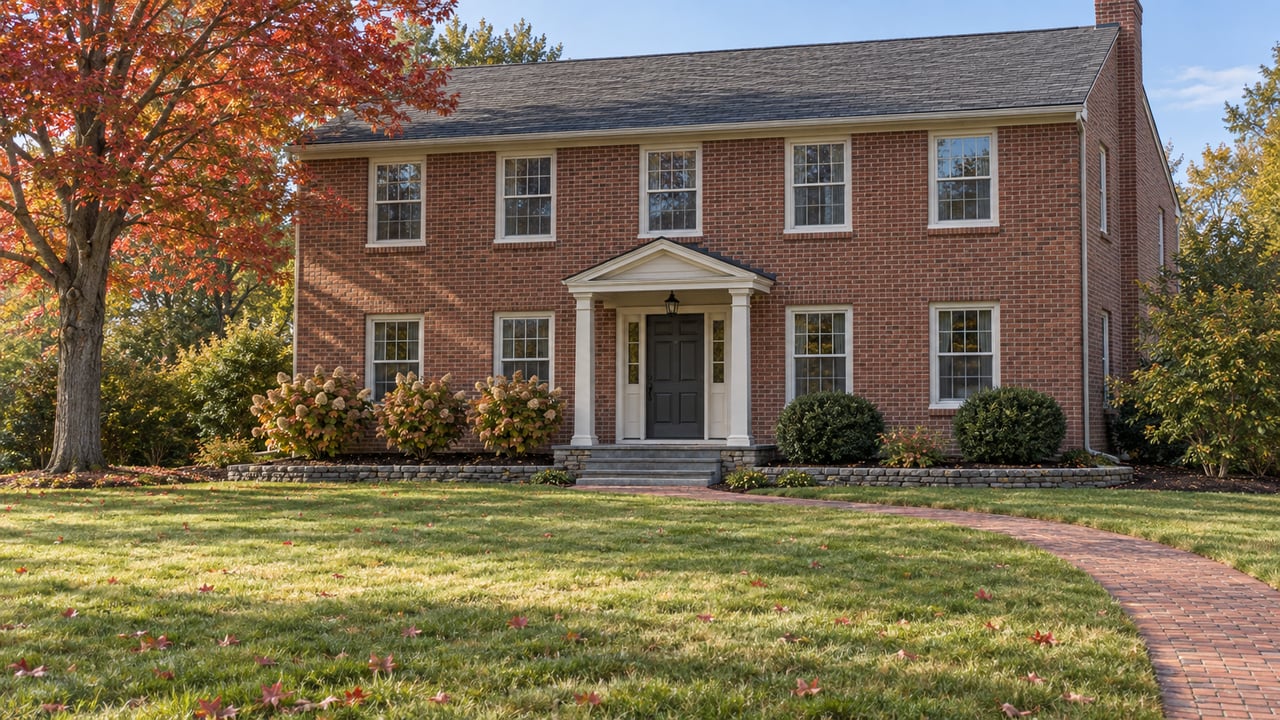

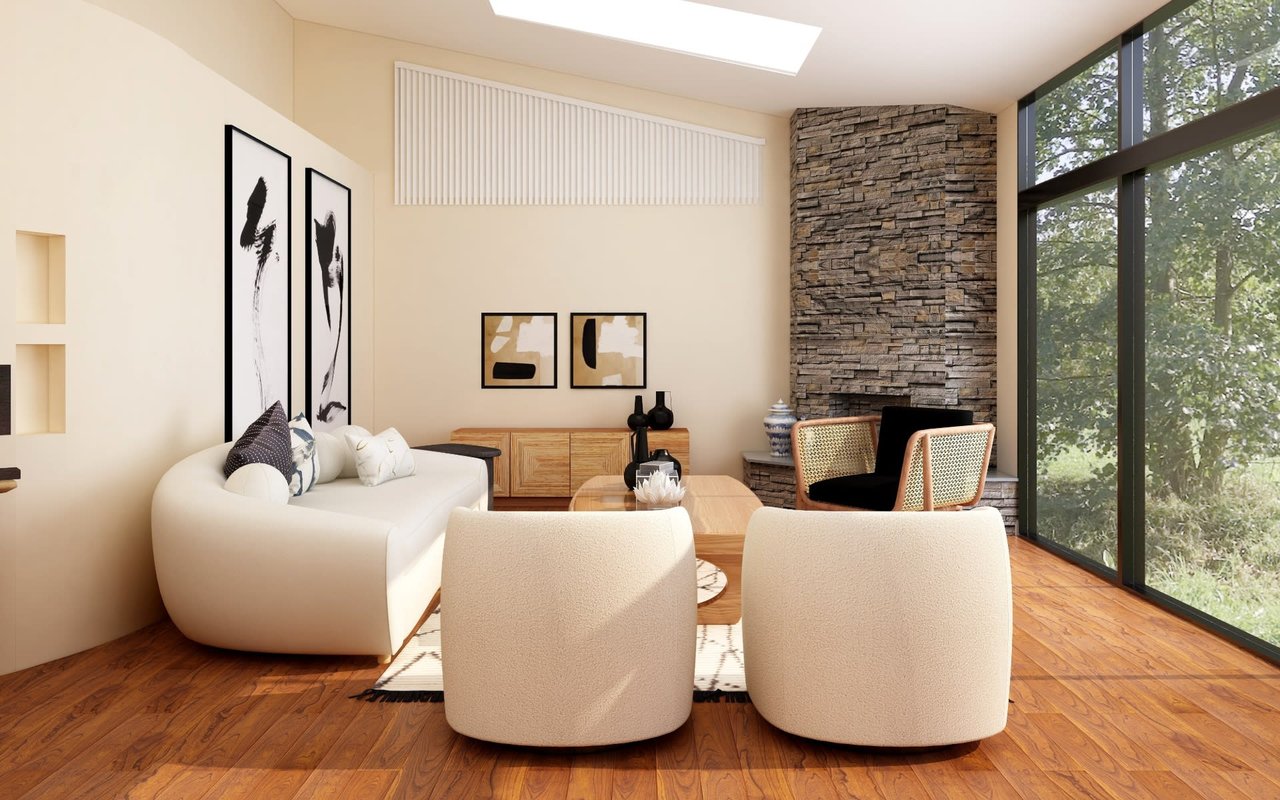
While every buyer defines privacy a little differently, there are several property features that consistently move higher on the wish list when discretion and seclusio… Read more
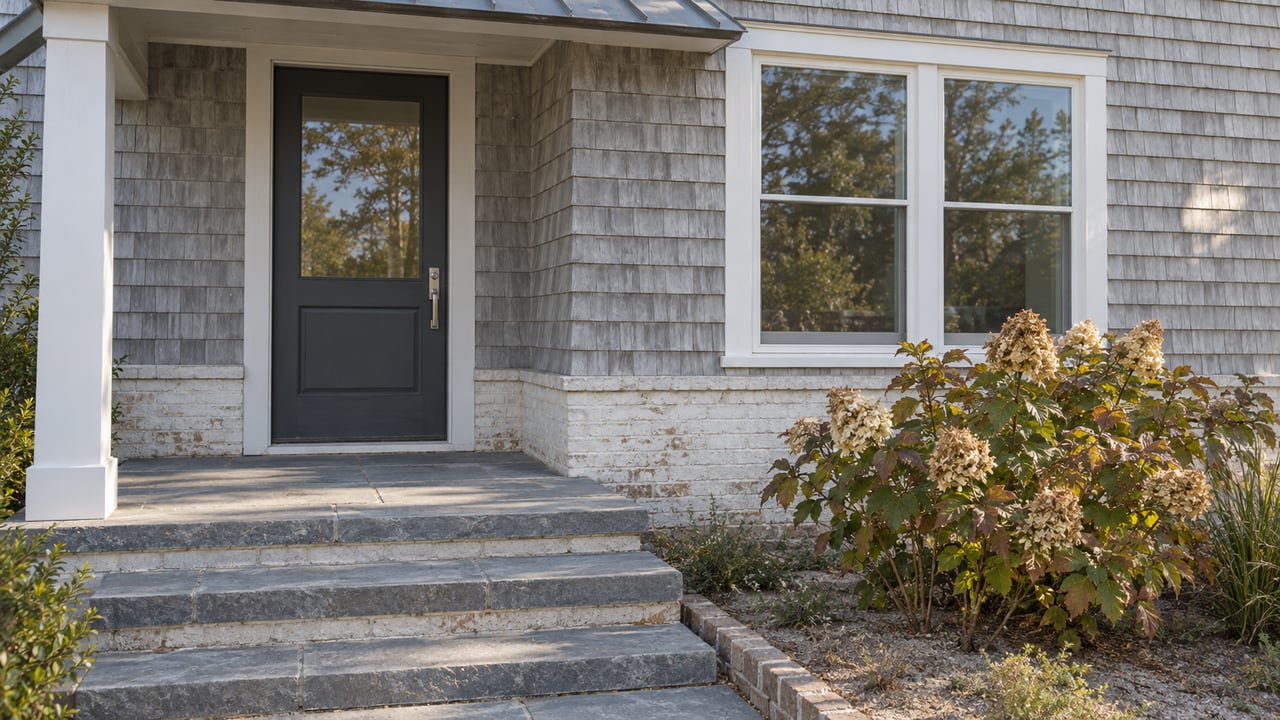
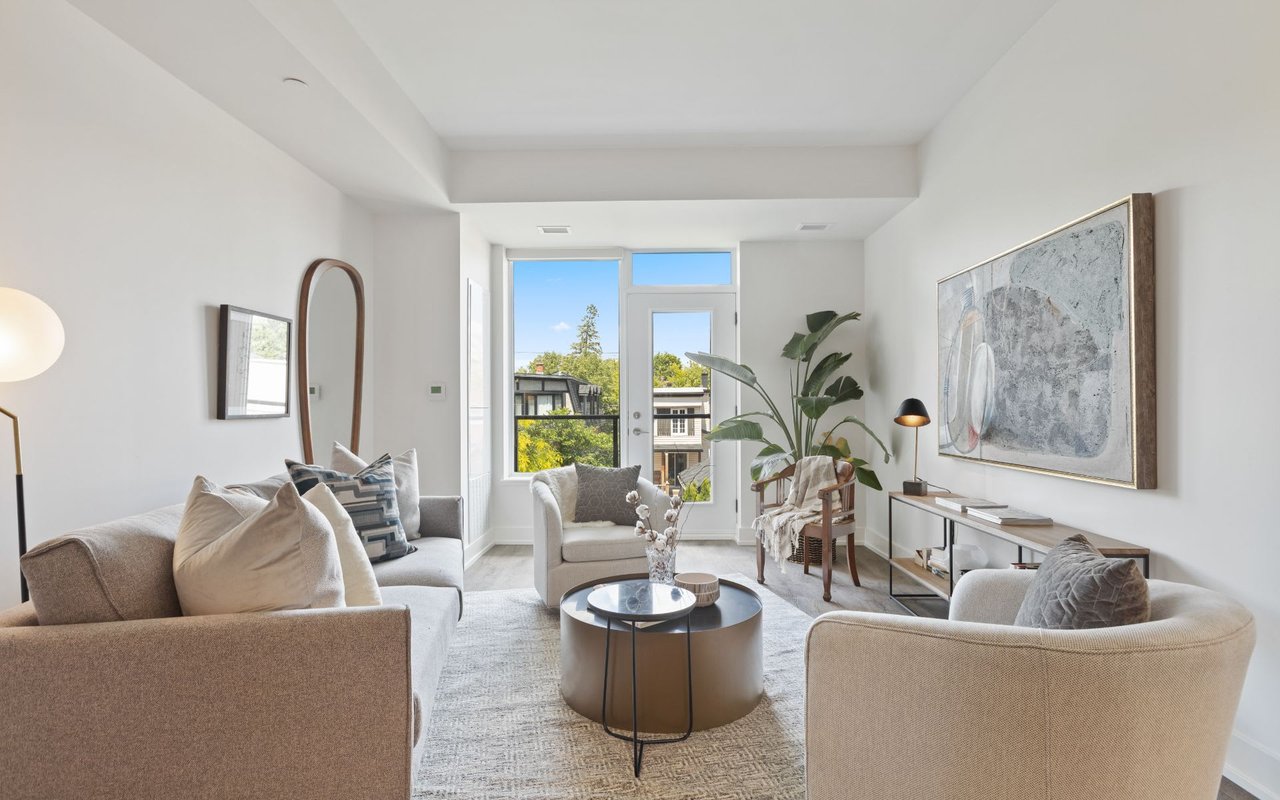
For a professional athlete joining a new team, the obvious answer might seem to be buying a home, particularly if the contract is significant and the player expects to… Read more
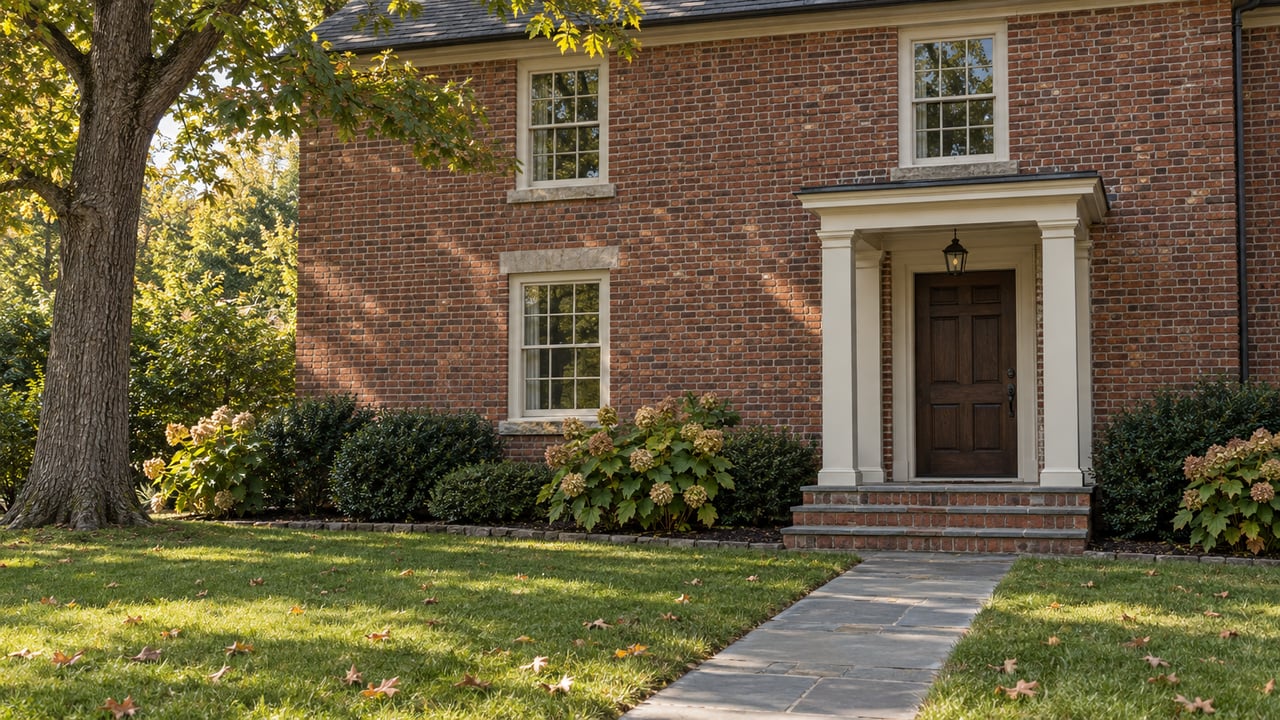

A real estate professional can help coordinate the transaction and provide property-specific information, but the legal, tax, lending and estate-planning decisions bel… Read more
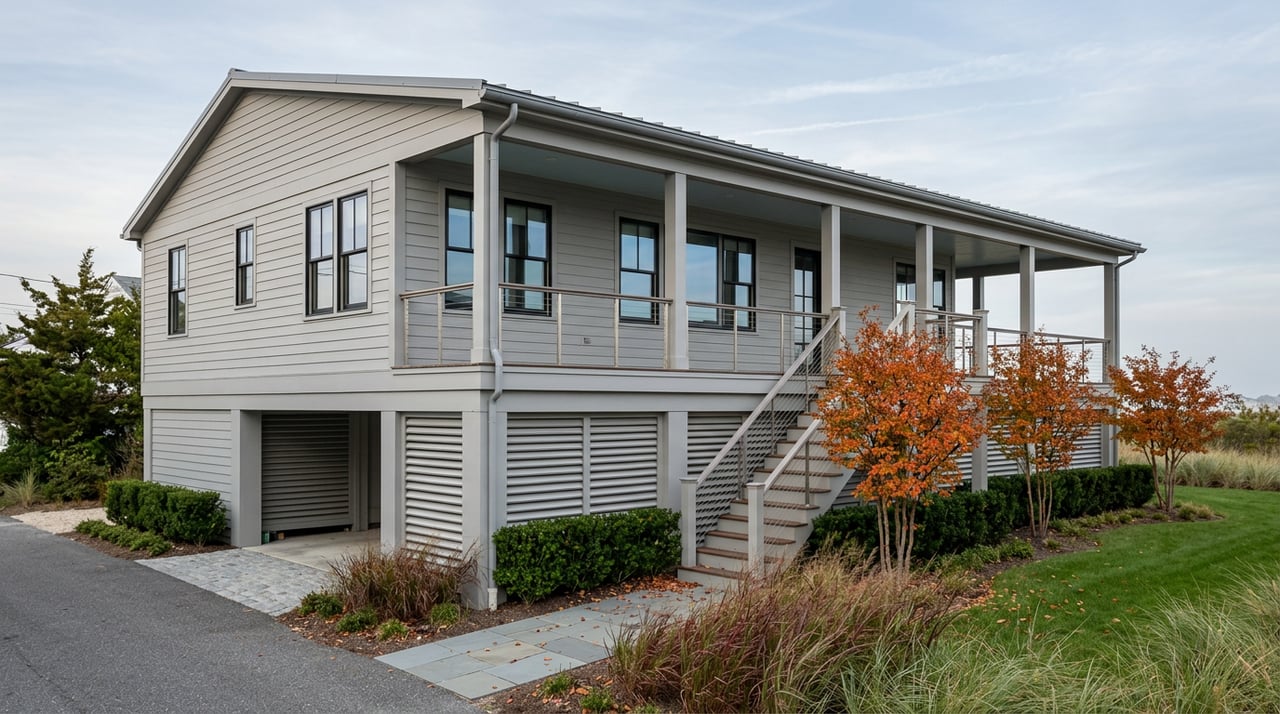

For certain buyers, the most interesting house on the market may be the one that isn't actually on the market.
Amy Reuter brings together luxury-level marketing, strong negotiation, and honest guidance to help clients navigate every move with confidence. From South Jersey primary residences to South Jersey beach homes, Amy creates a thoughtful, highly personalized experience centered around strategy, communication, and results.
AMY REUTER
[email protected]
(856) 229-2473
ADDRESS
198 FRIES MILL RD
TURNERSVILLE, NJ 08012