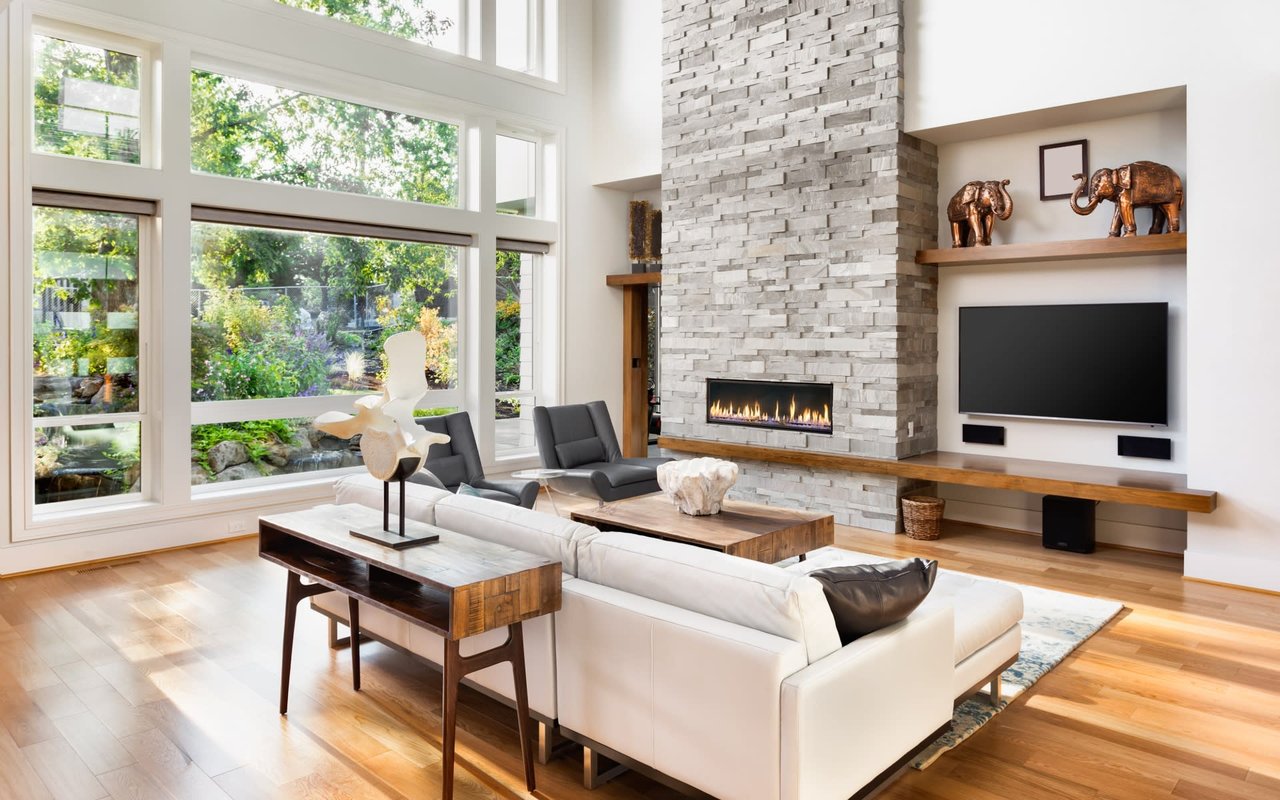
How Athletes Can Build a Real Estate Portfolio During Their Careers
November 15, 2026
November 15, 2026
A professional sports career can create financial opportunities at a much younger age than most people experience. It can also come with an unusual reality: the career itself may be relatively short, income can change dramatically from one contract to the next, and a player may live in several different cities along the way.
That combination can lead some athletes to consider real estate as part of their long-term financial picture. A primary residence may eventually be joined by a second home, rental property or other real estate investment, creating a portfolio that extends well beyond the house where the athlete lives during the season.
But owning several properties doesn't automatically make someone a successful real estate investor. Each purchase should have a purpose, and for an athlete, those decisions should be made in coordination with the financial, tax and legal professionals who understand the client's complete financial picture.
The Realtor's role is different. It's to help the client understand the property, the market, the numbers and the potential real estate risks and opportunities so the athlete and their advisory team can make informed decisions.
Before searching for an investment property, an athlete should first have a conversation with the professionals responsible for their overall financial strategy.
How much exposure to real estate makes sense? How much liquidity should be maintained? Is the goal long-term appreciation, rental income, diversification, personal use or some combination of those things? How could a purchase affect taxes, estate planning or other investments?
Those questions belong with a financial advisor, CPA, attorney and, where applicable, business manager. Once the broader strategy is established, the Realtor can help identify properties and provide the market information necessary to evaluate them.
The fact that an athlete can afford to buy a property doesn't necessarily mean that property deserves a place in their portfolio.
For many athletes, the first significant real estate purchase isn't an investment property at all. It's their primary residence.
Even then, I think it's helpful to consider the property from two perspectives: Is this a home I want to live in, and does it make sense as a real estate purchase?
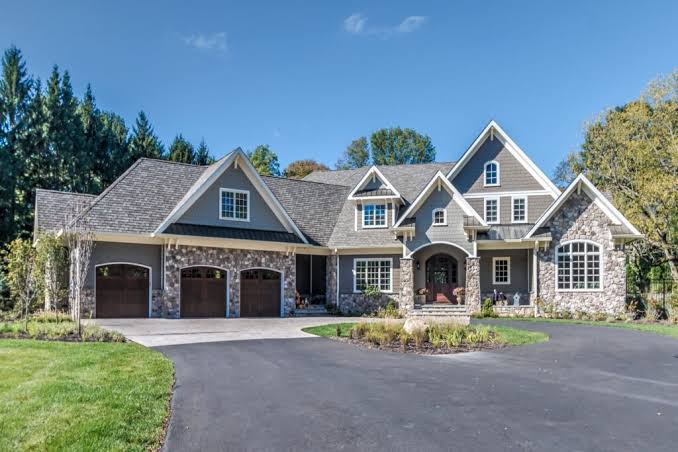
An athlete joining a Philadelphia team might be comparing a private estate in South Jersey, a luxury residence in Philadelphia or a property in the Pennsylvania suburbs. Lifestyle should absolutely be part of that decision, but so should market value, resale potential, property taxes, maintenance and the likely future buyer pool.
Professional sports careers can change quickly. If a trade or other career move occurs sooner than expected, the home may need to be sold or potentially considered for another use. Buying with some awareness of the eventual exit strategy can help prevent a lifestyle purchase from becoming an unnecessarily difficult real estate problem later.
This is an important distinction.
A spectacular home can be an incredible place to live without necessarily being an exceptional investment property. Highly customized luxury homes can sometimes appeal to a smaller future buyer pool, and expensive improvements don't always produce an equal increase in resale value.
An athlete may love a home with an indoor court, elaborate training facility, extensive custom finishes or highly specialized entertainment spaces. Those features may make perfect sense for the client's lifestyle, but it's still worth understanding how the broader market may view them when the property is eventually sold.
The same applies to location. A private South Jersey estate with significant acreage may offer exactly the lifestyle a client wants, while a Philadelphia condominium might provide greater convenience and lower maintenance. Neither is automatically the "better investment."
The real question is whether the buyer understands what they're purchasing, why they're purchasing it and what the likely resale market looks like.
Some athletes may eventually consider residential rental properties as part of a broader real estate portfolio. That could include a single-family home, condominium, multifamily property or other residential investment.
The analysis for these properties should look very different from shopping for a personal residence.
Rental income matters, but so do property taxes, insurance, maintenance, vacancies, management expenses, association fees and major future repairs. A property producing substantial rent isn't necessarily producing substantial profit once the expenses of ownership are considered.
Local regulations matter as well. Rental rules can vary significantly between municipalities, condominium associations and different types of properties.
A Realtor can help identify comparable rents, evaluate local market demand and provide property-specific information. The client's financial and tax professionals can then determine whether the opportunity makes sense within the athlete's larger strategy.
For an athlete based in Philadelphia, South Jersey can be worth exploring for more than a primary residence.
The region contains a wide range of real estate, from single-family homes and multifamily properties to commercial corridors, land and luxury properties. The Jersey Shore adds another completely different market, where second homes and rental properties can combine personal use with potential income opportunities, subject to local regulations and the client's broader financial plan.
That variety can be appealing, but it also illustrates why local knowledge matters. A rental property in a South Jersey suburb should be evaluated very differently from a vacation property in Ocean City or another Shore community. Demand, seasonality, expenses, local rules and resale considerations can vary substantially.
Being geographically close doesn't mean two properties function the same way as investments.
For some athletes and families, a Jersey Shore property may occupy an interesting middle ground. It may primarily be a second home, but the owner could also consider renting it during periods when the family isn't using it.
That can sound like the best of both worlds, but the numbers still need to be evaluated realistically.
Seasonal rental demand can fluctuate. There may be management, cleaning, maintenance, insurance and furnishing expenses, along with municipal or association rules governing rentals. Personal use can also affect how the client's tax advisors evaluate the property.
The Realtor can help explain the local real estate and rental market, while the CPA and financial advisor determine how the property fits into the client's financial strategy.
A vacation property should ideally be something the client is comfortable owning even after looking beyond the projected rental income.
Professional athletes may have an unusual path to becoming landlords: they get traded.
A player purchases a home while playing for one team, moves to another city and decides to keep the first property rather than sell it. A few years later, another move happens and another home gets added to the collection.
Eventually, the athlete may own several properties that were never intentionally selected as investments.
That doesn't necessarily mean they should be sold. Some may be excellent long-term assets. But each property should be evaluated on its own merits rather than retained simply because the client already owns it.
What could the property sell for today? What could it realistically rent for? What does it cost to maintain? Is professional management required? Is significant capital work approaching? Does keeping it still fit the client's overall plan?
Sometimes the right decision may be to hold. Sometimes it may be to sell and redeploy the capital elsewhere. That decision should be intentional rather than accidental.
An athlete playing in Philadelphia doesn't necessarily need to build an entire real estate portfolio in South Jersey or Pennsylvania.
The best opportunities may be elsewhere, particularly if the client already has strong connections to another city or eventually expects to live somewhere else. This is where having access to a larger professional network can become valuable.
Through the Berkshire Hathaway HomeServices network, a client can be connected with experienced real estate professionals in other markets rather than trying to evaluate unfamiliar opportunities without knowledgeable local representation.
The local Realtor can remain part of the conversation while another professional provides expertise in the market where the property is actually located.
For an athlete whose career may span several cities, those relationships can become increasingly valuable over time.
Owning one home is work. Owning five properties in several states can become a business.
Who handles maintenance? Who responds when a tenant has an issue? Who monitors leases and renewals? Who makes sure insurance remains appropriate? Who handles landscaping, snow removal or storm preparation at a vacant second home? Who coordinates repairs when the owner is traveling for half the season?
For an athlete with a demanding schedule, professional property management may become an important part of the conversation. The cost of management should also be considered when evaluating whether an investment actually works financially.
The goal of building a portfolio shouldn't be creating another full-time job for someone who already has one.
Real estate can create returns in different ways, and buyers should understand what they're expecting from a particular property.
One investment may be primarily about potential rental income. Another may generate limited current income but be purchased because the client and their advisors believe in its long-term value. A second home may be primarily a lifestyle purchase with financial considerations playing a secondary role.
Those are very different objectives.
A common mistake in any investment discussion is expecting one property to do everything: generate strong income, appreciate rapidly, require little maintenance and still be available whenever the owner wants to use it personally.
Sometimes those goals compete with one another. Defining the primary purpose of the property can make it much easier to evaluate whether it actually belongs in the portfolio.
Every real estate purchase should eventually include an exit conversation.
Who is likely to buy this property later? How active is the market? Are comparable properties easy to identify? Is the home so unusual that it may take longer to sell? Is significant new construction creating future competition?
This can be particularly important with higher-priced properties, where the buyer pool naturally becomes smaller.
In South Jersey, for example, a distinctive estate with acreage may be extremely desirable to the right buyer but may not have the same liquidity as a more traditionally sized luxury home. A Jersey Shore property may have a different buyer pool and seasonal selling patterns, while a Philadelphia investment property creates another set of considerations entirely.
Buying well means thinking about tomorrow's buyer while you're still today's buyer.
As an athlete's real estate holdings grow, questions about how properties should be owned may become more important.
Should a property be held individually, through an LLC, in a trust or through another structure? Should different properties have different ownership? How does everything fit into the client's estate plan?
Those are legal, tax and financial questions—not decisions a Realtor should make for the client.
What the Realtor can do is coordinate with the client's attorney, CPA, business manager and financial advisor so the transaction can accommodate whatever structure those professionals recommend.
This is another reason to have those conversations before a property goes under contract whenever possible.
Successful real estate ownership usually involves more than a good Realtor.
Depending on the client's portfolio, the professional team may include a financial advisor, CPA, attorney, business manager, lender, insurance professional, property manager and contractors in addition to the real estate professionals involved in buying and selling.
Each person should have a clearly defined role.
The financial advisor looks at the overall financial strategy. The CPA addresses tax considerations. The attorney handles legal and ownership questions. The property manager deals with day-to-day operations. The Realtor provides market expertise and helps identify, evaluate, negotiate, acquire and eventually sell the real estate.
For a professional athlete, having that team established early can be particularly valuable because career changes may create real estate decisions very quickly.
One of the most interesting things about real estate for a professional athlete is that the two timelines can be dramatically different.
A playing career may last a relatively small number of years. A well-chosen property could potentially remain part of someone's financial life for decades.
That makes it worth thinking beyond the current contract or current team. The question isn't simply, "What can I buy with what I'm earning today?" It's, "What role should this property play in the life and financial plan I'm building for tomorrow?"
That answer will be different for every athlete.
Some may build substantial real estate portfolios. Others may decide that owning a primary residence and one second home is plenty. Neither approach is automatically right or wrong.
The goal should be intentional ownership rather than accumulation.
A professional sports career can create extraordinary opportunities, but it also has an expiration date. Real estate decisions made during those years can potentially extend far beyond them.
As a Berkshire Hathaway HomeServices Luxury Collection Specialist and Sports + Entertainment Specialist, my role is to help clients understand the real estate side of those opportunities throughout South Jersey, Greater Philadelphia and the Jersey Shore, while working appropriately with the financial, legal and tax professionals responsible for the client's broader strategy.
Whether the conversation involves a first home, an investment property, a Jersey Shore residence or a growing portfolio across multiple markets, the objective shouldn't simply be to own more real estate.
It's to own real estate for the right reasons.
If you are an athlete, agent, business manager or advisor exploring real estate opportunities in South Jersey, Greater Philadelphia or the Jersey Shore, Let's Connect.
Stay up to date on the latest real estate trends.
A professional sports career can create financial opportunities at a much younger age than most people experience.



Find a home you like, choose a time, meet your Realtor and walk through the property.


Amy Reuter brings together luxury-level marketing, strong negotiation, and honest guidance to help clients navigate every move with confidence. From South Jersey primary residences to South Jersey beach homes, Amy creates a thoughtful, highly personalized experience centered around strategy, communication, and results.
AMY REUTER
[email protected]
(856) 229-2473
ADDRESS
198 FRIES MILL RD
TURNERSVILLE, NJ 08012