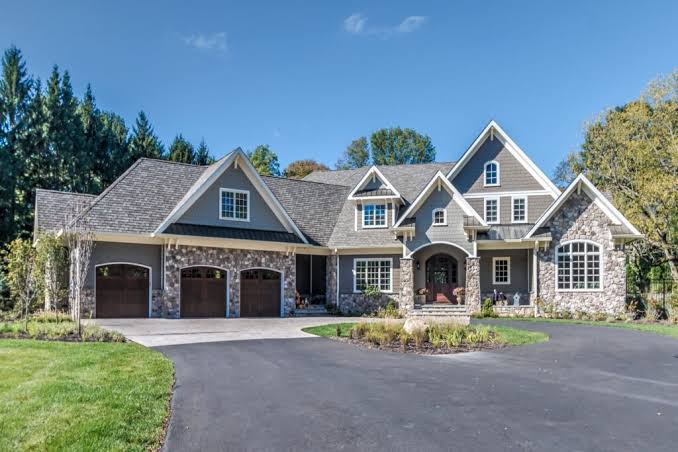
Selling a Custom Home in Mullica Hill: Why Finding the Right Comparable Sales Can Be Complicated
November 11, 2026
November 11, 2026
If you own a custom home in Mullica Hill, you probably already know that your property isn't quite like every other home in the neighborhood.
Perhaps you have a beautifully designed home on several acres, a finished walkout basement, a resort-style backyard, or architectural details that were carefully selected when the property was built.
Maybe your home has an expansive first-floor primary suite, a detached garage, or a floor plan that was designed specifically for your family's needs.
These features can make a property truly special.
But when it's time to sell, they can also make determining the right asking price more complicated.
Unlike a neighborhood where dozens of nearly identical homes have sold recently, custom homes often require a much more detailed approach to valuation.
And that's particularly true in communities such as Mullica Hill, where properties can vary considerably in acreage, construction quality, layout, amenities, and overall appeal.
So how do you establish a realistic market value when there isn't another home quite like yours?
It begins with understanding what comparable sales can tell us, and just as importantly, what they can't.
When determining the value of a typical home in a subdivision, there may be several recent sales with similar square footage, lot sizes, floor plans, and finishes.
Those sales can provide a relatively straightforward starting point.
Custom homes are different.
One property may have 4,000 square feet on a one-acre lot, while another has a similar amount of living space on five acres.
One may feature high-end finishes and extensive outdoor amenities, while another has a more traditional interior but an exceptional location.
A third property might include a guest suite, oversized garage, or unique architectural design.
Although these homes may appear similar in online search results, their market appeal can be quite different.
The challenge is identifying which differences are likely to influence what a buyer will actually pay.
That requires more than comparing the number of bedrooms and bathrooms.
It involves evaluating the property as a whole.
One of the most common questions sellers ask is whether their home's value can be calculated using a price per square foot.
It's an understandable question.
Price per square foot provides a convenient way to compare properties, and it can be a useful reference point.
But it has limitations, particularly for custom and luxury homes.
Imagine two homes that each offer approximately 4,500 square feet.
One has an open, functional layout with generous room proportions, abundant natural light, and high-quality finishes.
The other has the same square footage but includes awkward room configurations, underutilized spaces, or significant updating needs.
Would buyers necessarily value them the same way?
Probably not.
The same principle applies to construction quality, ceiling heights, architectural design, and the relationship between indoor and outdoor spaces.
Even the way square footage is measured and reported can create inconsistencies between listings.
Finished basements, detached structures, and other areas may be treated differently from above-grade living space.
That's why I believe price per square foot should be viewed as one piece of the analysis, not the formula that determines the final asking price.
Larger lots are one of the features that can make Mullica Hill properties especially appealing.
Buyers may be attracted to the privacy, open space, mature landscaping, and flexibility that come with additional land.
But determining the value of acreage isn't always straightforward.
For example, a property with five acres doesn't necessarily command five times the land value of a property with one acre.
The usability of the land matters.
Is the property mostly level and cleared? Is a substantial portion wooded or affected by wetlands? Are there easements, deed restrictions, or other limitations?
Does the additional acreage create meaningful privacy, recreational opportunities, or potential for permitted improvements?
The location and configuration of the lot can also affect its appeal.
A beautifully landscaped property with a private backyard may be more desirable to certain buyers than a larger parcel with limited usable outdoor space.
It's also important to consider the maintenance associated with additional acreage.
Some buyers love the idea of a large property.
Others appreciate the privacy but may be less enthusiastic about the time and expense required to maintain it.
Understanding the likely buyer audience helps determine how much weight to give the land when establishing value.
Homeowners often invest significant amounts of money personalizing their properties.
A custom kitchen, elaborate outdoor entertaining area, home theater, wine room, or finished basement may represent a substantial investment.
And these improvements can absolutely enhance a home's appeal.
However, the amount spent on an improvement doesn't necessarily equal the amount a buyer will pay for it.
For example, a seller may have invested heavily in a highly specialized feature that was perfect for their family.
A buyer who shares that interest may see tremendous value in it.
Another buyer may view the same space as something they'll eventually want to modify.
This is particularly relevant for custom homes, where features are often selected to reflect the original owner's preferences.
When evaluating improvements, I consider how broadly they appeal to the likely buyer pool.
A beautifully designed kitchen or thoughtfully planned outdoor living area may attract a wide range of buyers.
A very specialized room or unusual layout may appeal to a narrower audience.
Neither is inherently good or bad.
But the distinction matters when developing a pricing and marketing strategy.
Not all custom homes are built to the same standard.
Two properties may have similar floor plans and square footage but differ considerably in their materials, craftsmanship, and structural details.
Buyers may notice differences in windows, doors, flooring, millwork, cabinetry, mechanical systems, and overall construction.
The quality of renovations and improvements can also influence how a home is perceived.
A thoughtfully maintained property with well-executed updates may command greater interest than a similarly sized home with visible deferred maintenance or inconsistent workmanship.
For sellers, documentation can be helpful.
Information about the builder, original construction specifications, major improvements, and maintenance history may provide useful context for prospective buyers.
However, it's important to distinguish between the original cost of construction and current market value.
A home may have been exceptionally expensive to build, but the resale market ultimately determines what buyers are willing to pay.
The challenge is communicating the quality and benefits of the property while keeping the pricing grounded in market evidence.
Finished basements can be wonderful features in larger South Jersey homes.
They may provide recreation rooms, home theaters, gyms, guest accommodations, offices, or additional entertaining space.
But sellers sometimes assume that finished basement square footage should be valued exactly the same as the main living areas.
That's not generally how buyers, appraisers, or market analyses approach the distinction.
Above-grade and below-grade areas are typically considered separately in appraisal practice, although the specific treatment depends on the property and applicable standards.
A beautifully finished basement may add meaningful value.
But its contribution depends on factors such as ceiling height, natural light, layout, accessibility, condition, and overall utility.
A walkout basement with large windows and convenient access to outdoor spaces may offer a different experience from a fully below-grade basement with limited natural light.
Neither should simply be ignored.
But neither should automatically be valued using the same price-per-square-foot calculation as the main living areas.
A careful comparative analysis considers how similar finished spaces have influenced buyer behavior in the market.
In the luxury market, outdoor living can be a major selling point.
A beautifully designed pool, covered patio, outdoor kitchen, fireplace, or extensive landscaping may create an impressive setting for entertaining.
For some buyers, these amenities are among the most appealing features of the property.
But outdoor improvements also introduce another challenge when determining value.
The original cost of installing a pool or creating an elaborate backyard may be substantial.
That doesn't mean the full investment will be recovered when the home is sold.
Buyer preferences vary.
Some people specifically search for homes with pools and may be willing to pay more for a well-maintained outdoor environment.
Others may be concerned about maintenance, safety, or the ongoing costs.
The condition and design of the improvements also matter.
An attractive, professionally maintained pool and patio area may be viewed differently from older amenities that require repairs or updating.
When pricing a custom home, it's important to consider these features in the context of the overall property and the alternatives available to buyers.
This is one of the biggest challenges with distinctive homes.
Sometimes there simply aren't several recent sales in the immediate area that closely resemble the property being evaluated.
That doesn't mean the home can't be priced effectively.
It means the analysis may need to be expanded carefully.
Depending on the property, it may be appropriate to review older sales, examine similar properties in neighboring communities, or consider homes with different characteristics that provide useful market context.
Each comparison requires judgment.
A property in another community may have similar acreage and construction quality but a different school district, location, or buyer audience.
An older sale may be relevant, but changes in market conditions since that transaction need to be considered.
A home with fewer upgrades may offer a useful comparison, but the differences must be evaluated thoughtfully.
The objective isn't to find a sale that supports the price a seller hopes to achieve.
It's to identify the most relevant market evidence and use it to establish a defensible pricing range.
That distinction is especially important for higher-end properties, where the number of qualified buyers may be relatively limited.
Many homeowners begin their research by checking an automated home value estimate online.
These tools can be convenient, and they may provide a general reference point.
But they also have limitations.
Automated valuation models rely on available property data, historical sales, and statistical relationships.
They may not fully account for the quality of custom construction, unusual layouts, significant improvements, lot usability, privacy, or other features that distinguish one home from another.
They may also rely on property records that don't reflect recent renovations or contain incomplete information.
For a relatively typical home in a neighborhood with numerous similar sales, an automated estimate may be more useful.
For a custom estate with unique characteristics and few direct comparables, the range of uncertainty may be greater.
That doesn't mean online estimates should be dismissed entirely.
It means they shouldn't replace a detailed, property-specific market analysis.
When you're making a major financial decision, it's important to understand how the estimated value was developed and whether it reflects the property's actual condition and features.
This can be one of the most difficult parts of selling a custom home.
Many owners have invested years into creating a property that perfectly suits their family.
They may have personally selected every finish, designed outdoor spaces, completed major improvements, and created countless memories there.
Naturally, those investments carry significant personal value.
But the real estate market evaluates a property differently.
Buyers are comparing your home with other available options.
They're considering what they can purchase for a similar amount of money, what improvements they may want to make, and how the property fits their needs.
A feature that has tremendous meaning to the current owner may not carry the same importance for a prospective buyer.
Recognizing that difference doesn't diminish the value of the home.
It simply helps establish a pricing strategy based on what the market is likely to support.
And that is essential if the goal is to attract serious buyers and achieve a successful sale.
When a custom home is difficult to compare, sellers may be tempted to start with an ambitious asking price.
The thinking is often that a unique property deserves a premium and that the right buyer may eventually come along.
Sometimes distinctive properties do command exceptional prices.
But an asking price still needs to be supported by the market.
Luxury homes may attract a smaller number of qualified buyers than more moderately priced properties.
If a home enters the market significantly above what those buyers perceive as reasonable, it may generate limited interest.
And when a property remains available for an extended period, buyers may begin wondering why it hasn't sold.
Repeated price reductions can also change the conversation surrounding the listing.
Rather than focusing on the property's distinctive features, prospective buyers may become more concerned about how long it's been on the market.
This doesn't mean sellers should underprice a custom home.
It means the initial asking price should reflect a thoughtful balance between the property's unique qualities and the market evidence.
A strong launch strategy is especially important when the pool of potential buyers is limited.
Pricing is only one part of the equation.
When a property has distinctive features, buyers need to understand what makes it special.
Professional photography, carefully planned marketing, accurate property descriptions, and thoughtful showing preparation can all help communicate those benefits.
For a custom Mullica Hill home, that may involve highlighting the acreage, architectural design, privacy, outdoor living spaces, or quality of construction.
A floor plan may help buyers appreciate how the home functions.
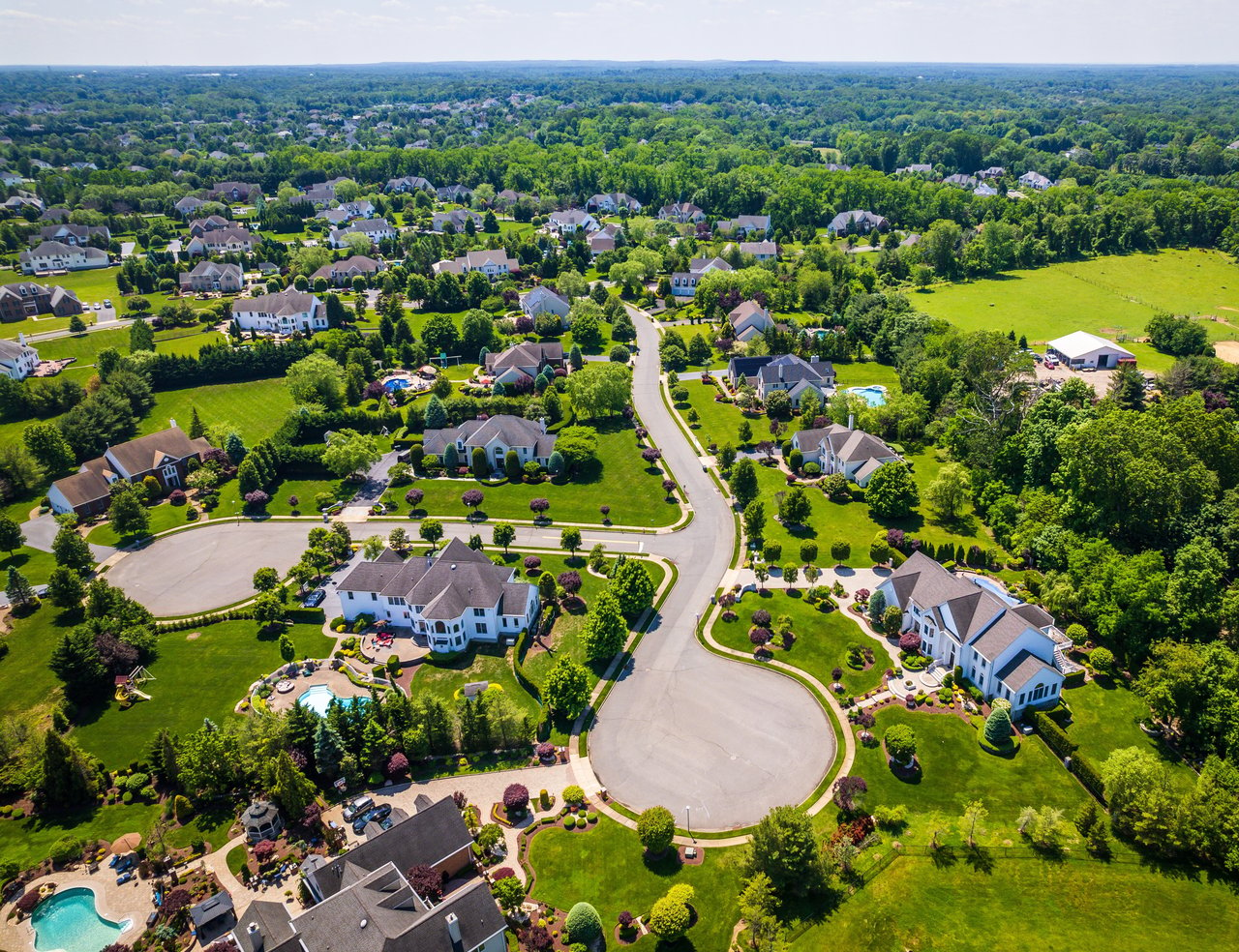
Aerial photography may provide important context for the lot and surrounding property.
Detailed information about improvements and mechanical systems may help answer questions about quality and maintenance.
The goal isn't simply to make the home look beautiful.
It's to help prospective buyers understand why the property is different and how those differences may benefit them.
For some homes, that requires a more individualized marketing approach than a traditional listing.
Even when a buyer is willing to pay a particular price, the appraisal may introduce another consideration.
When a purchase is financed, the lender generally requires an appraisal to evaluate the property's value for lending purposes.
Custom homes can present challenges because the appraiser may also have limited directly comparable sales.
The appraiser must follow applicable professional standards and lender requirements when developing the valuation.
That may involve considering sales from a broader geographic area, older transactions, or properties with meaningful differences.
If the appraised value is lower than the agreed purchase price, the buyer and seller may need to evaluate their options under the contract.
Those options can depend on the financing terms, appraisal provisions, and the parties' willingness and ability to negotiate.
For sellers, this is another reason to establish a pricing strategy grounded in credible market evidence.
An attractive offer is important, but the transaction also needs to have a realistic path to closing.
There isn't a single formula that determines the value of every luxury or custom property.
Square footage, acreage, construction quality, amenities, condition, location, and market demand all contribute to the analysis.
But the importance of each factor varies from property to property.
A five-acre estate with exceptional privacy may appeal to a different buyer than a similarly priced home in a more traditional neighborhood.
A property with extensive outdoor amenities may be particularly attractive to buyers who entertain frequently.
A home with a flexible layout and first-floor primary suite may appeal to buyers planning for long-term ownership.
Understanding these distinctions is an important part of both valuation and marketing.
For sellers, the objective should be to establish a price that recognizes the property's unique characteristics while remaining competitive within the market.
That requires careful research, local knowledge, and an honest assessment of how buyers are likely to respond.
If you're considering selling a custom home in Mullica Hill or the surrounding Gloucester County area, I encourage you to begin with a detailed market analysis rather than relying solely on an online estimate.
Understanding your property's value involves much more than comparing bedrooms, bathrooms, and square footage.
It's about evaluating the features that distinguish your home, identifying the most relevant comparable sales, and understanding the expectations of the buyers most likely to be interested.
It's also about developing a presentation and pricing strategy that communicates the property's value effectively.
Whether your home is situated on several acres, includes extensive custom finishes, or offers unique architectural and outdoor features, I'd be happy to help you evaluate its position in today's market.
Because a distinctive property deserves more than a one-size-fits-all approach.
Confident decisions start with clear information.
Amy Reuter | Broker Associate, Berkshire Hathaway HomeServices Fox & Roach, REALTORS®
Luxury Collection Specialist | Sports + Entertainment Specialist
Reach out by call, text, or DM for more information!
Stay up to date on the latest real estate trends.
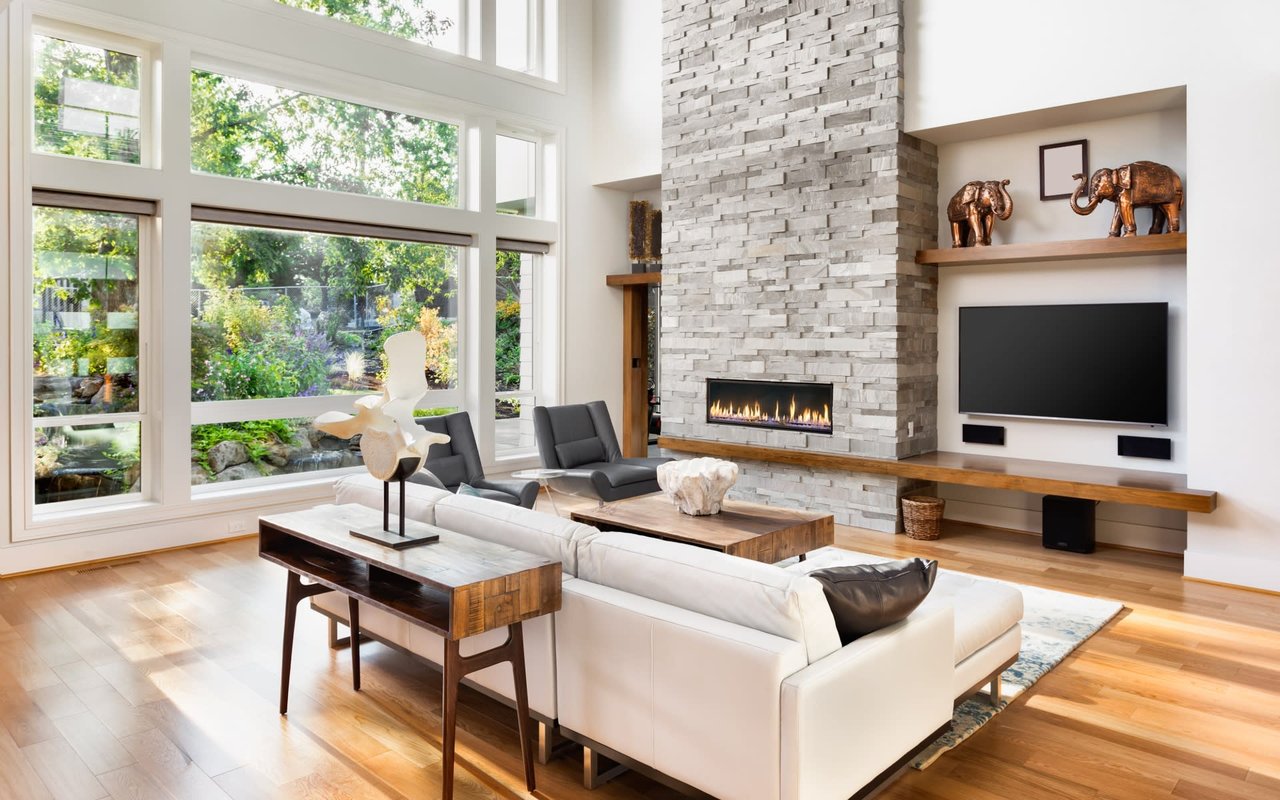
A professional sports career can create financial opportunities at a much younger age than most people experience.



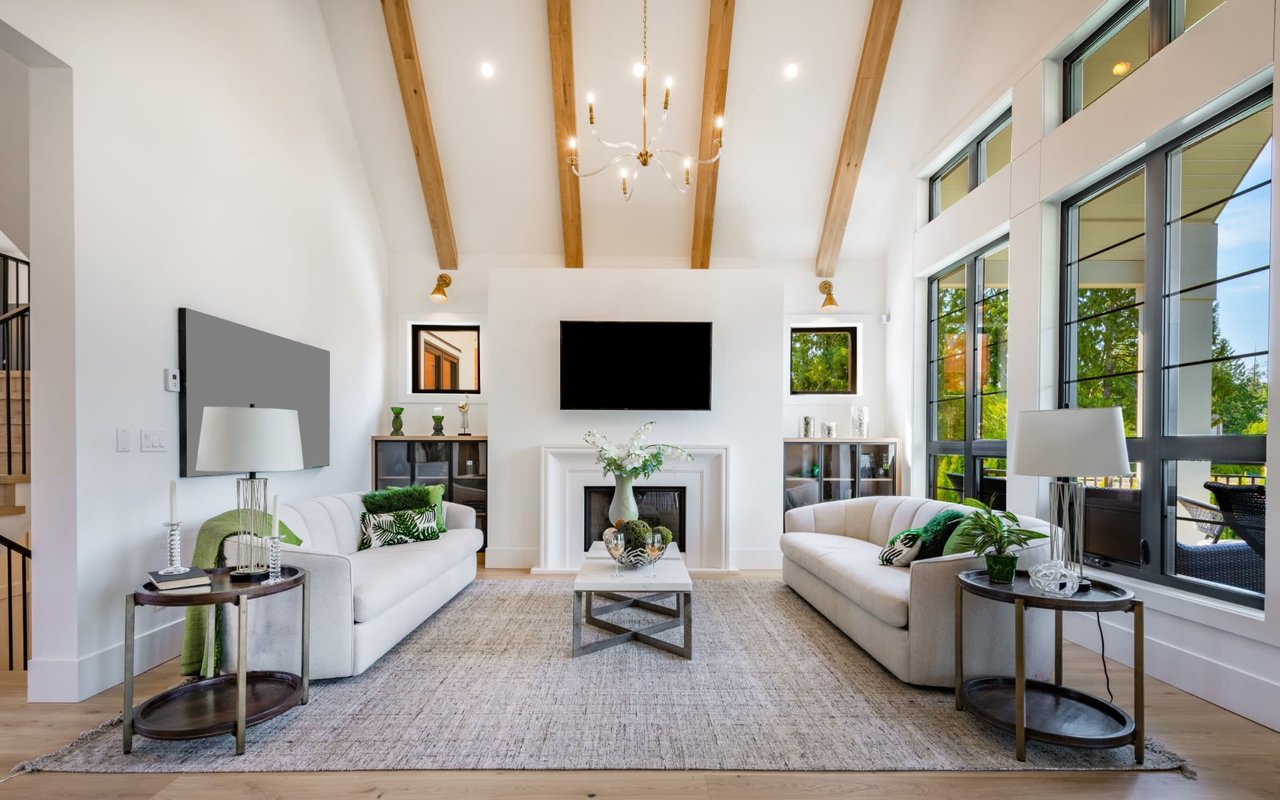
Find a home you like, choose a time, meet your Realtor and walk through the property.


Amy Reuter brings together luxury-level marketing, strong negotiation, and honest guidance to help clients navigate every move with confidence. From South Jersey primary residences to South Jersey beach homes, Amy creates a thoughtful, highly personalized experience centered around strategy, communication, and results.
AMY REUTER
[email protected]
(856) 229-2473
ADDRESS
198 FRIES MILL RD
TURNERSVILLE, NJ 08012