
Real Estate Planning After Retirement From Professional Sports
October 25, 2026
October 25, 2026
For most people, retirement means leaving a career after several decades. For a professional athlete, it can happen in their 20s, 30s or early 40s—at a point when many of their peers are still building careers, raising families and deciding where they ultimately want to put down roots.
That makes retirement from professional sports a very different kind of transition. For years, where an athlete lived may have been determined largely by a team, training facility and season schedule. Suddenly, those restrictions are gone, and the question changes from "Where do I need to live?" to "Where do I actually want to live?"
Real estate can become an important part of that conversation. A former player may own homes in multiple states, have a residence near a former team that no longer makes sense, want to establish a more permanent family home or simply be ready for a lifestyle that wasn't practical during their playing career.
There isn't one real estate strategy that's right for every retiring athlete, but there are several questions worth considering before deciding what comes next.
For years, an athlete's housing decisions may have revolved around work. How far is the house from practice? How quickly can I get to the airport? Is this property practical during the season? Can my family make this location work while I'm traveling?
Retirement changes the equation. Without a daily training schedule dictating location, an athlete may suddenly have much more freedom to think about what they and their family actually want from a home.
That might mean more acreage and privacy, being closer to extended family, moving nearer to the Shore, downsizing from an oversized property or finally choosing a community based on lifestyle rather than commute. For someone who spent a career in Philadelphia, South Jersey may become even more attractive after retirement, when proximity to a training facility is no longer the deciding factor. Larger properties, privacy, outdoor living and convenient access to both Philadelphia and the Jersey Shore can create a very different post-career lifestyle.
The first step shouldn't necessarily be searching for another house. It should be deciding what the next chapter is supposed to look like.
Professional athletes may accumulate real estate differently from the average homeowner. A player could own a primary residence, a home near a former team, a vacation property and perhaps investment real estate acquired during their career.
Retirement can be a good time to look at those properties collectively rather than treating each one as a separate decision. Which homes are actually being used? Which require significant upkeep? Which properties still fit the family's lifestyle? Are there homes being maintained simply because no one has decided what to do with them?
This is where the athlete's Realtor should work alongside the financial, tax and legal professionals already advising the client. The Realtor can provide current market values, expected selling timelines, rental considerations and information about local market conditions, while the client's CPA, financial advisor and attorney evaluate the financial, tax and estate-planning implications of the available choices.
The goal isn't necessarily to sell property. It's to make sure each property still has a purpose.
A home purchased during an athlete's playing career may have been chosen for very specific reasons. It might be close to the team's facilities, convenient to the airport or large enough to accommodate a lifestyle built around the season.
Once the career ends, those priorities can change almost overnight.
A property that was perfect for a player may not be the home the family would choose if they were starting fresh. The commute that once justified the location no longer matters. The oversized house may require more maintenance than anyone wants. Or the family may realize they love the community and want to remain there permanently.
There is no automatic reason to sell simply because a career has ended. But it's worth asking whether the property is still being chosen because the family loves it or simply because it's already there.
That distinction can lead to a very different real estate decision.
For athletes who have spent part of their careers in Philadelphia, retirement can make the geographic search much broader.
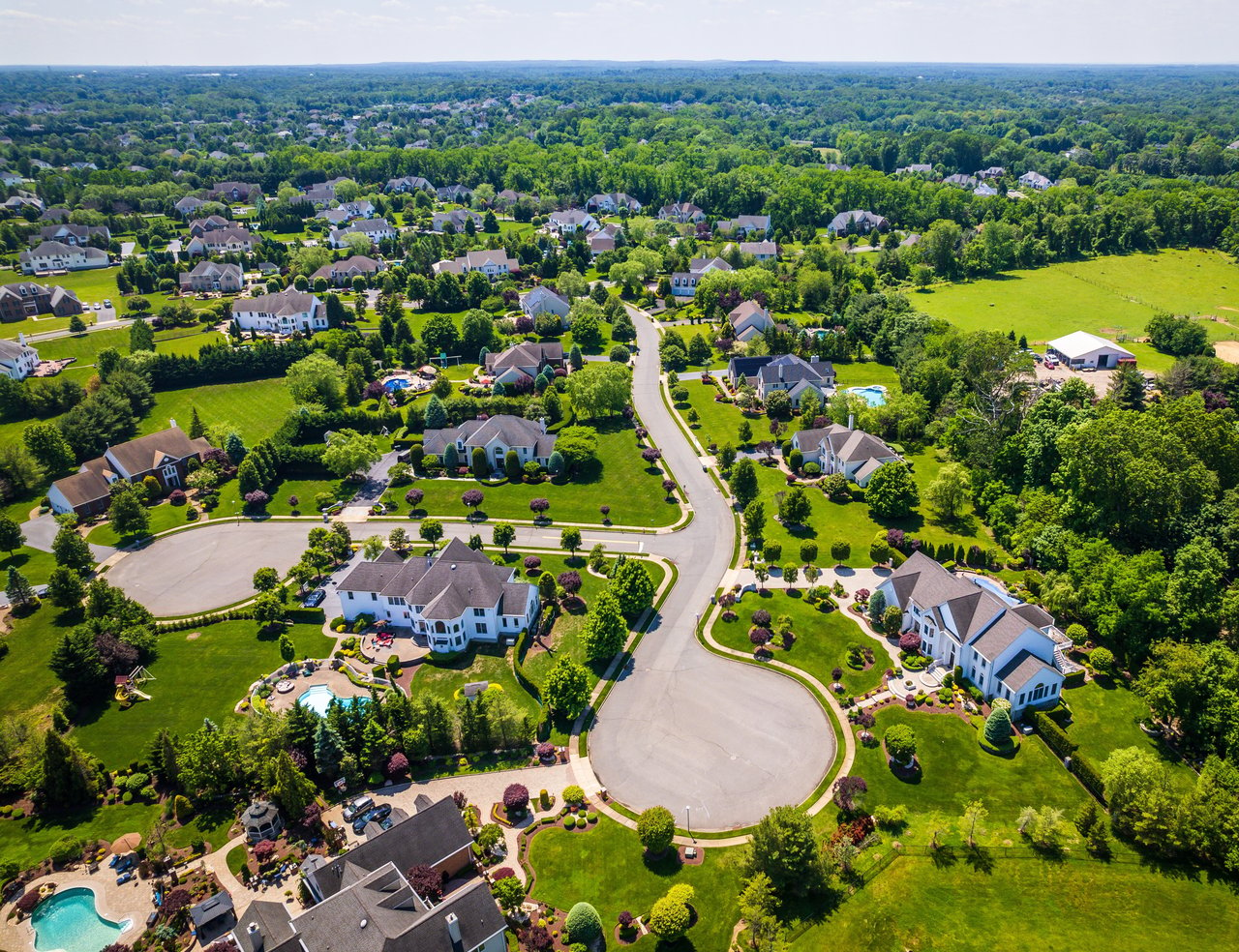
Without the need to report to a training facility every morning, communities throughout South Jersey can offer an appealing combination of privacy, space and access to the things that may still keep a former player connected to the region. A retired athlete might want acreage, a larger garage for a car collection, outdoor entertaining space, a pool, a home gym or enough property to create a true family retreat.
South Jersey can also provide relatively easy access to Philadelphia for business, dining, entertainment and sporting events while putting the Jersey Shore within reach. For someone whose post-career plans include business interests in Philadelphia but who no longer needs to commute there every day, that balance may be particularly attractive.
Another client may prefer the Main Line, a Philadelphia luxury residence or a full-time home at the Jersey Shore. Retirement creates something an athlete may not have had for years: the ability to choose based primarily on lifestyle.
During a playing career, a large home may have made perfect sense. There may have been children at home, extended family visiting frequently, teammates gathering, staff coming and going or a need for significant workout and recovery space.
Retirement can change how a house is used.
Some former athletes may still want a large estate with extensive amenities. Others may discover that they would rather have a smaller, exceptionally designed home that's easier to maintain, particularly if they plan to travel or split time between several locations.
This is where I think luxury should be separated from square footage. A smaller waterfront property at the Jersey Shore, a private home in South Jersey or a luxury Philadelphia condominium may provide a better quality of life than maintaining a very large estate simply because that's what the family has always owned.
The question isn't, "How much house can I afford?" It's, "How much house do I actually want to live with?"
Athletes often make real estate decisions during their careers knowing circumstances could change quickly. Retirement creates an opportunity to think much longer term.
Where will the children be in five or ten years? Is this a home where the family wants to gather for holidays? Could aging parents eventually become part of the household? Does the property work if travel becomes a larger part of retirement? Is first-floor living important? How much maintenance will the property require?
These are questions that can affect the type of property a retired athlete chooses.
A South Jersey estate with a first-floor primary suite and plenty of space for family may make sense for someone planning to stay for decades. Another client might prefer a low-maintenance Philadelphia residence that can easily be secured while traveling. Someone who has always dreamed about living near the beach may decide that the Jersey Shore should become home rather than simply a vacation destination.
Thinking ahead doesn't mean trying to predict every future need. It simply means choosing a property that gives the next chapter room to evolve.
The phrase "forever home" sounds wonderful, but life has a way of changing.
Even after retirement, a former athlete may move for a new business opportunity, broadcasting role, coaching position or family reason. That's why resale should still be part of the conversation when purchasing a long-term property.
Highly customized homes deserve particular attention. An indoor basketball court, enormous training facility, extensive security system or unusually specialized floor plan may be perfect for one owner but appeal to a smaller group of future buyers.
That doesn't mean a client shouldn't create the home they want. It simply means understanding the trade-off.
The best luxury purchases often balance personal enjoyment today with reasonable marketability tomorrow.
Retirement can also change the role of a second home.
A Jersey Shore property that was used only during short breaks in the offseason may suddenly become somewhere the family can spend several months at a time. A vacation property elsewhere could potentially become a primary residence, while another home that rarely gets used may no longer make sense to maintain.
For someone with several properties, this can be an opportunity to simplify. Instead of owning multiple homes that each serve a small purpose, the family may prefer fewer properties that they truly enjoy.
For athletes with connections to the Philadelphia region, the combination of a primary home in South Jersey or Greater Philadelphia and a second home at the Jersey Shore can also provide two very different lifestyles without requiring cross-country travel between them.
Again, the right answer depends on the family. The point is simply to reconsider old real estate decisions now that the schedule controlling them has changed.
Some retiring athletes may also be interested in investment property, development opportunities or other real estate investments as they transition into the next stage of their financial lives.
That conversation needs to involve the client's financial and tax advisors. A Realtor can provide market information, identify opportunities, analyze comparable properties and discuss practical considerations such as rents, local demand and resale, but the decision about how much of someone's portfolio should be allocated to real estate belongs with the professionals responsible for the client's overall financial strategy.
This distinction is particularly important after retirement, when income, cash flow and long-term planning may look very different from the playing years.
Real estate can be part of a diversified strategy, but being able to buy an investment property doesn't automatically make it a good investment.
Retirement doesn't necessarily mean a former athlete becomes less recognizable. In some cases, a successful career can mean public attention continues for decades.
What may change is the amount of time spent at home.
A player who once traveled constantly may suddenly spend much more time with family, entertaining friends, pursuing business interests or simply enjoying the property. Privacy that seemed like a secondary consideration during the playing years may become much more valuable afterward.
That can influence everything from acreage and landscaping to gated access, garage configuration and how close neighboring properties are. South Jersey can be particularly attractive for clients seeking greater physical privacy, while secure luxury buildings in Philadelphia and established estate communities throughout Pennsylvania offer different solutions.
The best privacy strategy is the one that fits the client's actual post-career lifestyle.
Retirement from professional sports doesn't mean the team of trusted advisors surrounding an athlete is no longer important. In fact, major life transitions can be exactly when coordination matters most.
A financial advisor may be evaluating long-term cash flow and investments. A CPA may be considering tax implications. An attorney or estate planner may be reviewing ownership structures and estate plans. An insurance professional may need to reassess coverage as properties are bought or sold.
The Realtor's role is to bring real estate expertise into that larger conversation. What could the current properties sell for? How long might a sale take? What does the market look like in South Jersey compared with Greater Philadelphia? What are the carrying costs and practical considerations of a particular property? How easily could it be resold?
The strongest advice comes when each professional stays within their expertise while communicating with the rest of the client's team.
For much of a professional athlete's career, housing decisions may be dictated by circumstances outside their control. A draft determines the first city. A trade creates the next move. Free agency changes the address again.
Retirement can finally change the question.
Instead of "Where does my career require me to live?", the athlete gets to ask, "Where do I want my life to happen now?"
That answer could be a private estate in South Jersey, a Main Line home, a luxury Philadelphia residence, a property at the Jersey Shore or somewhere completely different. It could mean keeping the home the family already loves, downsizing, consolidating several properties or starting fresh.
As a Berkshire Hathaway HomeServices Luxury Collection Specialist and Sports + Entertainment Specialist, my role is to help clients evaluate the real estate side of those decisions throughout South Jersey, Greater Philadelphia and the Jersey Shore, while working alongside the financial, legal and tax professionals who advise on the larger picture.
A professional sports career may determine where someone lives for years. Retirement provides the opportunity to decide where home should be for everything that comes next.
If you are a current or former professional athlete, family member or advisor considering the next real estate chapter in South Jersey, Greater Philadelphia or the Jersey Shore, Let's Connect.
Stay up to date on the latest real estate trends.
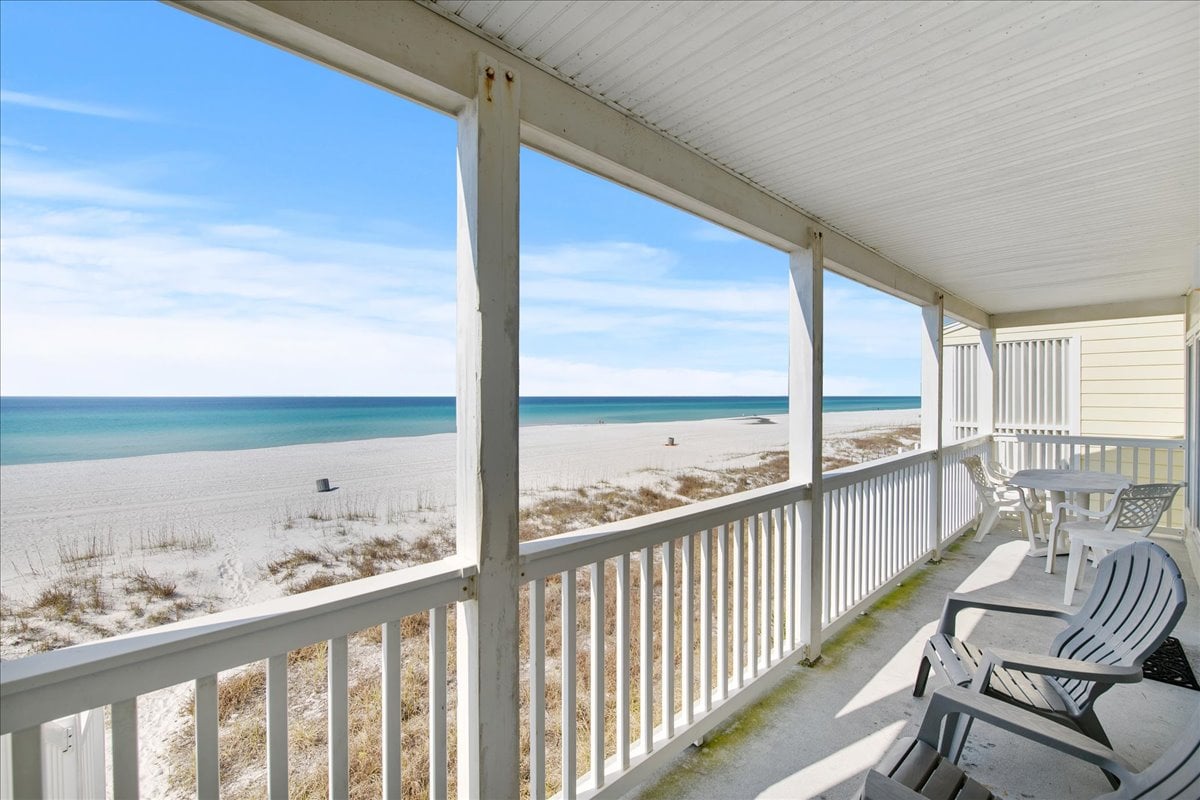
There isn't one real estate strategy that's right for every retiring athlete, but there are several questions worth considering before deciding what comes next.

There may be school schedules to consider, cars to transport, temporary housing to arrange and an entire household that can't simply pack up overnight.

Amy Reuter brings together luxury-level marketing, strong negotiation, and honest guidance to help clients navigate every move with confidence. From South Jersey primary residences to South Jersey beach homes, Amy creates a thoughtful, highly personalized experience centered around strategy, communication, and results.
AMY REUTER
[email protected]
(856) 229-2473
ADDRESS
198 FRIES MILL RD
TURNERSVILLE, NJ 08012