
What Luxury Buyers Notice That Sellers Often Overlook
October 28, 2026
October 28, 2026
When homeowners prepare to sell a luxury property, it's natural to focus on the features that make their home special.
Perhaps it's the beautifully renovated kitchen, the custom millwork, the resort-style backyard, or the impressive square footage. Maybe it's the acreage, the architectural details, or the extensive improvements made over the years.
Those features absolutely matter.
But after years of working with buyers and sellers throughout South Jersey and the Jersey Shore, I've learned that some of the things buyers notice most aren't necessarily the ones sellers expect.
Luxury buyers often look beyond the obvious features. They're paying attention to how a home has been maintained, whether the finishes feel consistent, how the spaces function, and whether the property offers the lifestyle they're looking for.
And while a beautiful home can make a strong first impression, it's often the smaller details that influence how buyers feel about its overall value.
Understanding those expectations before listing can make a meaningful difference in how a property is received.
One of the biggest misconceptions about selling a luxury home is that beautiful finishes can compensate for maintenance concerns.
A stunning kitchen with professional-grade appliances may attract attention, but buyers are also evaluating the home's roof, windows, heating and cooling systems, exterior condition, and overall upkeep.
In fact, higher-end buyers may have particularly high expectations when it comes to maintenance.
When someone is considering a substantial investment, they often want confidence that the property has been cared for appropriately.
That doesn't mean every component needs to be brand new.
A well-maintained older home can be extremely appealing, especially in communities such as Haddonfield and Moorestown, where historic character and architectural details are often part of the attraction.
But visible signs of deferred maintenance can raise questions.
Peeling paint, deteriorating exterior trim, moisture stains, aging caulking, or mechanical systems that haven't been serviced may seem minor to a seller who has lived with them for years.
To a buyer, those conditions can suggest that other maintenance needs may exist.
And once buyers begin questioning the condition of a property, they may become more cautious about its value.
Luxury buyers aren't necessarily expecting perfection, but they are often expecting evidence of thoughtful ownership.
Imagine walking into a beautifully updated home with a spectacular kitchen, gorgeous hardwood floors, and carefully selected lighting.
Then you enter a bathroom that hasn't been updated in 25 years.
Or perhaps the main living areas feel polished and sophisticated, but the basement, laundry room, or secondary bedrooms appear noticeably neglected.
That contrast can affect a buyer's perception of the entire property.
Luxury buyers often notice whether the quality and condition of a home feel consistent from one space to another.
This doesn't mean every room needs the same finishes or that sellers should undertake expensive renovations before listing.
In fact, I frequently caution homeowners against making major improvements without first evaluating whether those expenses are likely to be worthwhile.
But a cohesive presentation can make a home feel more complete.
Sometimes that involves relatively modest improvements such as fresh paint, updated light fixtures, refinished flooring, or replacing worn hardware.
Other times, the best strategy is simply to present the home honestly and price it with its remaining updates in mind.
The goal isn't to make every room look identical.
It's to create a sense that the property has been cared for as a whole.
When sellers think about luxury amenities, they frequently focus on swimming pools, outdoor kitchens, finished basements, or impressive primary suites.
But privacy can be just as valuable.
This is especially true for buyers considering larger properties in Mullica Hill or other South Jersey communities where acreage and separation from neighboring homes may be important.
A long driveway, mature landscaping, thoughtfully positioned outdoor living spaces, or a backyard that isn't directly overlooked by neighboring properties can all contribute to a home's appeal.
Privacy may also be important to buyers in sports, entertainment, business leadership, or other careers that involve public visibility.
But it's not exclusively a high-profile buyer concern.
Many people simply want to enjoy their home and outdoor spaces without feeling exposed.
At the Jersey Shore, privacy takes on a different meaning.
Properties in Ocean City, Margate, and Longport may be situated closer together, making thoughtful outdoor layouts, window placement, and private decks especially desirable.
When marketing a luxury property, I believe it's important to recognize these lifestyle benefits rather than focusing exclusively on square footage and finishes.
A home can have impressive square footage and still feel less functional than a smaller property with a better layout.
Luxury buyers often consider how the home will accommodate their daily routines.
Does the kitchen connect comfortably to the main living areas? Is there an appropriate space for entertaining? Are guest bedrooms positioned to provide privacy? Does the primary suite feel like a retreat?
For buyers who work remotely, a dedicated office may be particularly valuable.
Others may prioritize a first-floor bedroom, an accessible layout, or flexible space for extended family members.
In larger homes, buyers may also consider how frequently they'll use certain rooms.
A formal living room or dining room can be beautiful, but some buyers may prefer more casual gathering spaces.
These preferences vary considerably, which is why understanding the likely buyer audience matters.
For example, a custom estate in Mullica Hill may appeal to someone looking for space to entertain and accommodate guests.
A luxury home in Haddonfield may attract buyers who value historic character, walkability, and access to Philadelphia.
And a high-end property in Ocean City or Margate may be evaluated in terms of how comfortably it accommodates family gatherings, seasonal guests, and outdoor living.
The best marketing strategy helps buyers understand how the property's layout supports their lifestyle.
In many luxury homes, the outdoor spaces are almost as important as the interior.
Buyers may be looking for pools, covered patios, outdoor kitchens, fire features, or professionally designed landscaping.
But the presence of these amenities isn't the only thing that matters.
Buyers also notice how well the outdoor areas have been maintained and whether they feel inviting and functional.
A beautiful pool surrounded by neglected landscaping may not create the same impression as a thoughtfully maintained outdoor space.
Similarly, an elaborate patio that lacks shade, privacy, or comfortable seating may feel less useful than a simpler but well-designed backyard.
At the Jersey Shore, outdoor living often involves decks, porches, balconies, outdoor showers, and convenient access to the beach.
Buyers may pay close attention to the condition of railings, decking materials, exterior stairs, and other components exposed to the coastal environment.
When preparing a property for sale, these spaces deserve the same attention as the home's interior.
Clean surfaces, well-maintained landscaping, and thoughtfully arranged furniture can help buyers appreciate how the outdoor areas will actually be used.
Not all renovations create the same impression.
A recently updated kitchen or bathroom may look beautiful in photographs, but buyers often notice the details when they see the property in person.
Cabinet construction, countertop installation, tile work, flooring transitions, lighting placement, and the quality of fixtures can all influence how a renovation is perceived.
Luxury buyers may also recognize when expensive materials have been paired with lower-quality workmanship.
That doesn't mean every home needs the most expensive finishes available.
A well-executed renovation using appropriate materials can be far more appealing than a costly project that feels poorly planned or inconsistent with the home's character.
In historic communities such as Haddonfield, preserving architectural details while incorporating modern conveniences can be especially important.
For custom homes, buyers may appreciate finishes that complement the property's overall design rather than following every current trend.
And at the shore, durability and suitability for the coastal environment can be just as important as appearance.
Before investing in major renovations, sellers should consider whether the improvements align with the property's value, location, and likely buyer expectations.
This is one area sellers frequently underestimate.
When a buyer is considering a higher-end home, questions about maintenance and improvements are common.
How old is the roof? When were the HVAC systems replaced? Has the pool equipment been serviced? Were permits obtained for major renovations? Is there documentation for warranties or specialized systems?
Having organized information available can help answer those questions efficiently.
Maintenance records, contractor invoices, permits, warranties, and equipment manuals may all be useful.
For properties with pools, generators, sophisticated mechanical systems, or extensive landscaping, a record of professional maintenance can be particularly valuable.
At the Jersey Shore, buyers may also ask about flood insurance, elevation information, and improvements made to protect the property from coastal conditions.
Documentation doesn't replace a buyer's independent inspections or due diligence.
But it can help establish a clearer understanding of the property and demonstrate that the seller has taken maintenance seriously.
Sometimes the confidence created by good information is just as valuable as an attractive cosmetic improvement.
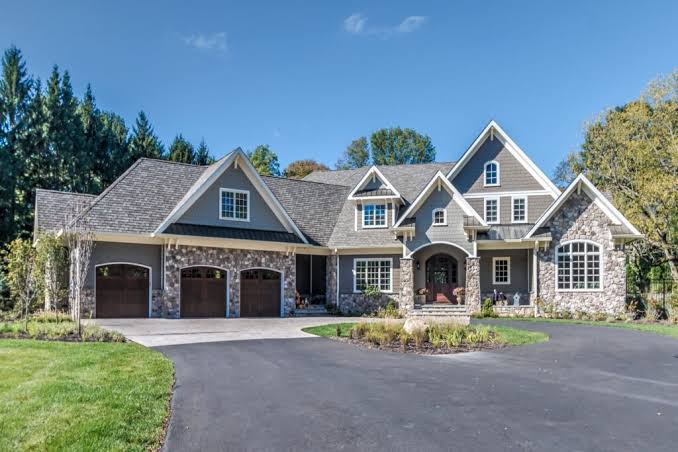
First impressions begin well before a buyer reaches the front door.
The driveway, landscaping, exterior lighting, walkway, front entrance, and overall condition of the property all contribute to the initial experience.
For a larger estate, buyers may notice how the home is positioned on the lot, the condition of the grounds, and the approach to the residence.
For a historic home, architectural details and exterior upkeep may establish expectations for what they'll find inside.
At the Jersey Shore, buyers may focus on the condition of the exterior, parking arrangements, and access to outdoor living spaces.
A beautifully presented home can create a positive emotional response from the moment a buyer arrives.
Conversely, an unkempt exterior can make buyers more critical before they've even stepped inside.
This is why I consider curb appeal an important part of the overall presentation strategy, not simply a finishing touch.
Luxury homes often reflect the personalities and preferences of their owners.
Custom cabinetry, distinctive finishes, elaborate decorating choices, and specialized rooms may have been carefully selected to create a home that feels unique.
And there's nothing wrong with that.
However, when it's time to sell, highly personalized features can sometimes make it more difficult for buyers to imagine the property as their own.
An unusual paint color, very specific wallpaper, or a room designed for a specialized hobby may appeal strongly to one buyer while feeling impractical to another.
The solution isn't necessarily to remove everything that makes a property distinctive.
In fact, architectural character and unique features can be significant selling points.
The key is distinguishing between elements that enhance the property's appeal and those that may distract buyers from its broader potential.
Thoughtful staging, simplified furnishings, and selective cosmetic updates can sometimes help buyers focus on the home's architecture and functionality.
For truly distinctive properties, marketing should also help the right audience understand the value of features that may not appeal to everyone.
There's a misconception that luxury buyers are less sensitive to price because they have greater financial resources.
In reality, many higher-end buyers are extremely thoughtful about value.
They may be comparing properties across several communities, evaluating construction quality, considering renovation costs, or assessing how well a home aligns with their long-term plans.
A buyer considering a $2 million property isn't necessarily willing to overlook condition concerns or an asking price that doesn't align with the market.
And because luxury properties often have a smaller pool of potential buyers, positioning a home correctly can be especially important.
In areas such as Mullica Hill, where custom homes and larger properties may have relatively few direct comparable sales, establishing value requires careful analysis.
The same can be true for distinctive historic homes in Haddonfield or unique luxury properties along the Jersey Shore.
Pricing should account for the home's location, condition, amenities, lot characteristics, and the alternatives available to buyers.
A strong marketing presentation can help communicate value, but it cannot create value that the market doesn't recognize.
One of the most important things I want sellers to understand is that preparing a luxury property for sale doesn't automatically require a major renovation budget.
In fact, some of the most effective improvements are relatively straightforward.
Professional cleaning, landscaping, fresh paint, minor repairs, updated lighting, and thoughtful furniture placement can all help a property present more effectively.
Addressing obvious maintenance concerns may also prevent buyers from becoming distracted by issues that could have been resolved before listing.
For some properties, a pre-listing inspection or targeted professional evaluation may be worth considering.
And for others, the most sensible decision may be to avoid extensive improvements and establish a price that reflects the home's current condition.
Every property is different.
Before recommending significant expenses, I believe it's important to evaluate the likely return, the expectations of the target buyer, and the seller's overall goals.
The objective is to make smart investments in preparation, not simply spend money in the hope that it will increase the sale price.
A luxury home is more than a collection of expensive finishes and impressive amenities.
It's the combination of location, architecture, condition, privacy, functionality, and lifestyle that creates value for a particular buyer.
And sometimes the details that matter most aren't the ones sellers initially expect.
A beautifully maintained exterior, organized service records, a functional floor plan, and a sense of privacy can influence how buyers perceive a home just as much as a spectacular kitchen or outdoor entertaining area.
Understanding those priorities is an important part of preparing a higher-end property for sale.
Whether you're considering selling a custom estate in Mullica Hill, a historic property in Haddonfield, a luxury residence in Moorestown, or a shore home in Ocean City or Margate, the right preparation and marketing strategy should reflect what makes your property distinctive.
And while this discussion focuses on luxury real estate, many of these principles apply to homes at every price point.
Buyers want to feel confident about their purchase, understand the value they're receiving, and imagine themselves enjoying the property.
Helping them do that begins long before the first showing.
If you're thinking about selling your South Jersey or Jersey Shore home, I'd be happy to help you evaluate which improvements are worthwhile, how your property compares with the competition, and what will help it make the strongest possible impression.
Confident decisions start with clear information.
Amy Reuter | Broker Associate, Berkshire Hathaway HomeServices Fox & Roach, REALTORS®
Luxury Collection Specialist | Sports + Entertainment Specialist
Reach out by call, text, or DM for more information!
Stay up to date on the latest real estate trends.
A professional sports career can create financial opportunities at a much younger age than most people experience.



Find a home you like, choose a time, meet your Realtor and walk through the property.


Amy Reuter brings together luxury-level marketing, strong negotiation, and honest guidance to help clients navigate every move with confidence. From South Jersey primary residences to South Jersey beach homes, Amy creates a thoughtful, highly personalized experience centered around strategy, communication, and results.
AMY REUTER
[email protected]
(856) 229-2473
ADDRESS
198 FRIES MILL RD
TURNERSVILLE, NJ 08012